

Organization:
City of Farmington Hills, MI

Location:
Farmington Hills, MI

Recruiter:
Anne Lewis
The City of Farmington Hills is experiencing an era of robust revitalization and growth. As Oakland County’s second largest city, with 84,000 residents and a daily bustling population of 114,000, the community is undergoing a generational transformation. This includes the opening of 19 new restaurants, newly adapted ordinances, the strategic revitalization of the Grand River Corridor, active arts programming and funding, and a highly anticipated $35M+ activities center to support services for seniors and the broader community. Backed by a clear strategic vision, the next City Manager will inherit significant momentum and will be expected to accelerate this forward trajectory.
The City Manager serves as the chief administrative officer of the City, appointed by and working under the broad policy guidance of the mayor and a six-member City Council. In this role, the Manager directs, manages, and supervises the day-to-day administration the City. The next leader will guide a highly professional workforce filled with passionate, skilled staff. Key operational responsibilities include full accountability for labor negotiations, day-to-day municipal operations, and rigorous fiscal oversight, including the administration of a $90 million general fund budget. Service delivery spans vital functions such as public safety (police and fire), public works, community development, economic development, and special services.
Following a recent transition in leadership, the ideal candidate must bring a distinct bias for action, authentic interpersonal skills, strict fiscal discipline, and a proven ability to push a complex agenda forward while maintaining the trust of a diverse, highly engaged community.
As a primary public face of the organization, the City Manager is expected to maintain an active, visible, and accessible presence throughout Farmington Hills. This includes frequent engagement with developers, business owners, nonprofit leaders, school district officials, and residents. Farmington Hills enjoys strong intergovernmental partnerships at both the state and federal levels; the successful candidate must deftly navigate these relationships while remaining firmly apolitical. Internally, the City Manager will ensure the City Council is prepared to make timely, data-driven decisions by providing comprehensive, objective information and clear professional recommendations. Furthermore, the next leader will bring exceptional project management skills to keep complex, long-term capital efforts on track, while actively engaging the public early in major initiatives to strengthen community-wide investment and share pride in the outcomes.

The next City Manager will work on the following priorities. While many of these initiatives are already in motion, each requires sustained leadership to reach completion.
Deliver the New Activities Center. The planned $35-40 million replacement for the aging Costick Center is the City's most visible capital project. While site selection is complete, funding remains the central question, with a potential millage on the November ballot. The City's aging population, growing demand for senior programming, and fixed-income pressures contribute to the need for this facility. The next City Manager must bring data-driven analysis, transparent communication, and project management skills to execute the project.
Accelerate the Grand River Corridor revitalization. A comprehensive market study, new streetscape designs, and emerging restaurant openings are in play. The City Manager must shepherd this work from plan to reality, coordinating economic development, planning, and community engagement to sustain momentum, attract private investment, encourage private reinvestment, sustain the good, attract the new, and encourage the needy.
Strengthen economic development and streamline the development process. Farmington Hills is a prime area for significant redevelopment. The next City Manager will understand how to attract commercial investment and drive commercial revitalization through an approval process to facilitate creative and intentional economic development and ensure that Farmington Hills is business friendly and competitive and meets the needs of the community.
Resolve structural service funding gaps and right-size reserve balances. The next City Manager must be prepared to confront structural imbalances where the cost of delivering specific services exceeds dedicated revenue streams, requiring supplemental support from the general fund. At the same time, they must exercise disciplined stewardship of reserve funds that exceed policy targets, deploying excess balances purposefully rather than allowing them to accumulate without strategic intent. Throughout, the City Manager must protect the City's credit standing and use quantitative analysis to evaluate whether existing services are funded at the right level, delivered through the right mechanisms, and aligned with the community's long-term fiscal capacity.
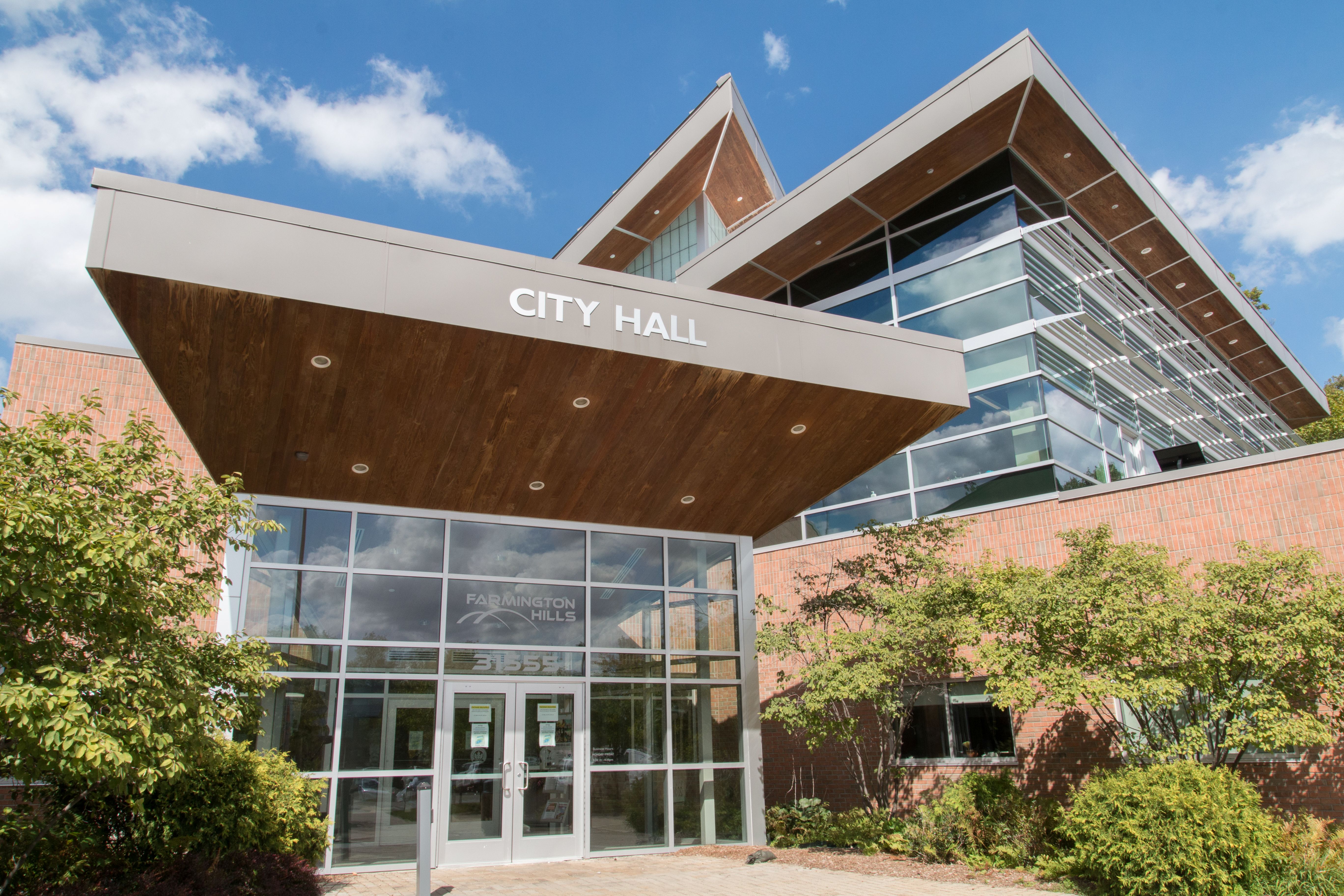
Build a culture of trust, transparency, and timely information with Council. The next City Manager must bring complete, objective, data-backed information to Council and the public in accessible formats, with enough lead time for genuine deliberation and informed decision-making.
Invest in staff development and manage leadership transitions. The next City Manager must assess organizational capacity, mentor developing leaders, and plan for succession while fostering a growth mindset across departments. They will challenge directors to be creative and innovative and continue to diversify the workforce to better reflect on the community.
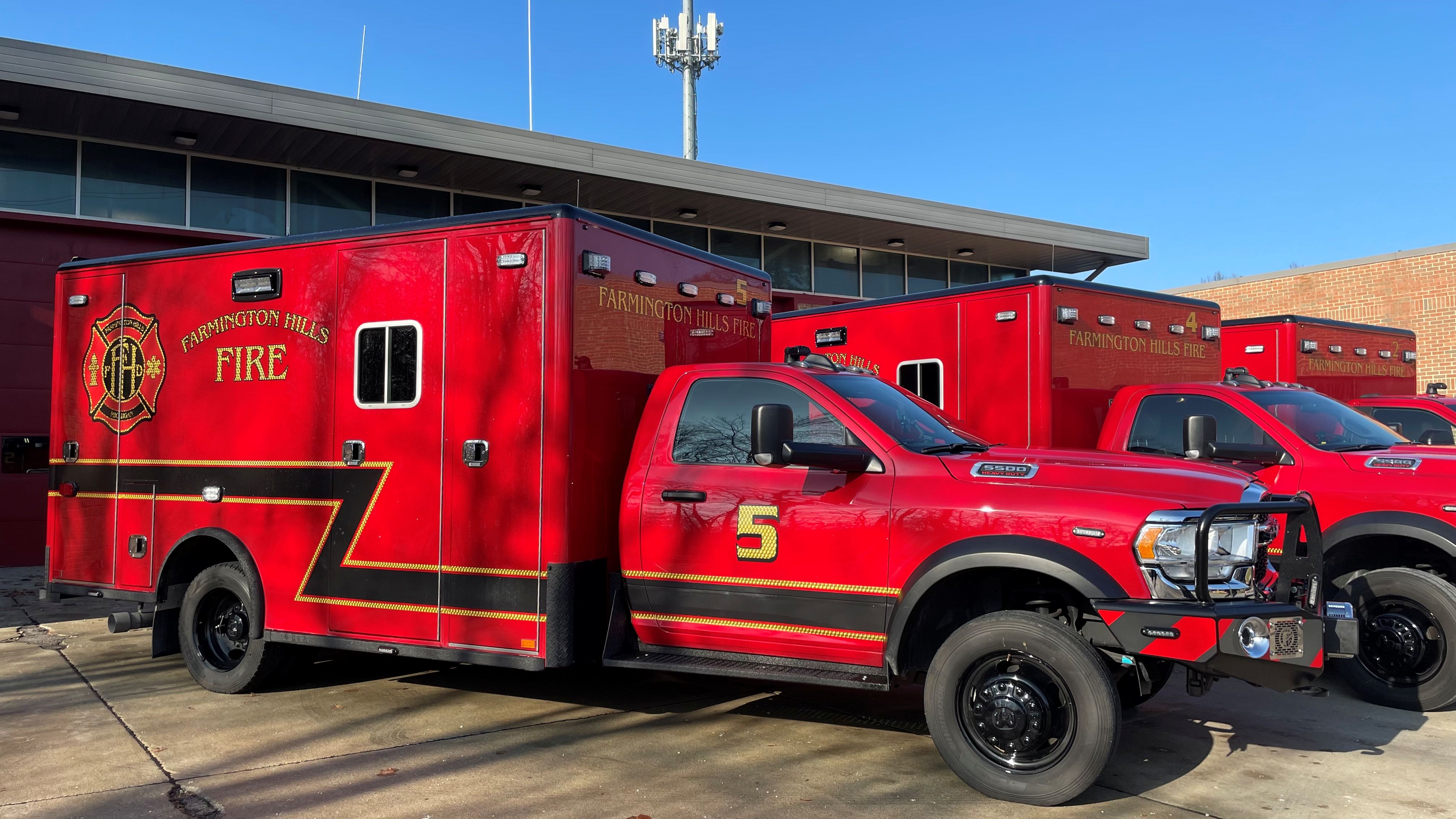
Sustain and advance a high-performing public safety culture. The next City Manager must protect the City's reputation as one of the safest communities of its size in the region, sustaining the strong relationship between public safety departments and the community they serve. This includes supporting data-informed, accreditation-driven policing practices, continuing the City's investment in mental health response and de-escalation training, and ensuring that public safety funding remains on solid structural footing for the long term.

The next City Manager of Farmington Hills will be a dynamic, forward-leaning executive who pairs an intentional bias for action with a deeply collaborative spirit. Positioned in the middle of a generational transformation, the City requires an energetic, execution-minded leader who can capitalize on current momentum while maintaining a strong sense of professional humility and emotional intelligence. The successful candidate must possess the authentic interpersonal skills necessary to bridge differing perspectives and build strong, functional consensus among the City Council, municipal staff, and a diverse public. Foundational to this role is absolute commitment to organizational transparency and equitable governance. The ideal candidate will establish a proactive communication protocol in partnership with the Clerk’s Office, ensuring that all seven members of the City Council receive identical, comprehensive data simultaneously. The successful candidate must be highly comfortable offering a firm, well-researched professional opinion backed by data and clear visual metrics, while also demonstrating the maturity and political acumen to gracefully accept that the final policy directive rests solely with the elected body.
The next City Manager must also maintain a highly visible, authentic presence both within City Hall and throughout the broader community. Internally, the ideal leader will walk the halls, learn employees' names, actively mentor staff, and champion meaningful employee recognition. Externally, the successful candidate must lean into and actively celebrate the rich cultural tapestry of Farmington Hills. They will comfortably engage with residents from every background, understand evolving public sentiment, and involve the community early in major municipal initiatives. The next leader will approach the public with a listening mindset, ensuring that every neighborhood—regardless of its socioeconomic profile—receives equitable attention, administrative focus, and capital investment.
The City Council seeks a seasoned professional with a verified track record of operational and fiscal excellence. Desired qualifications include direct experience within the council-manager form of government, serving successfully as a city manager, assistant/deputy city manager, or a senior department director in a comparably sized or larger full-service community. Candidates must bring strong financial acumen, including extensive expertise managing complex, multi-fund municipal budgets, navigating long-term pension and retiree healthcare (OPEB) obligations, and maintaining structural stability to protect a AAA bond rating. Familiarity with Michigan municipal finance laws, Headlee Amendment restrictions, and Proposal A frameworks is strongly preferred. Because the City has proven to have re/development opportunities, candidates must bring sophisticated economic and community development competencies, including an understanding of modern market demands, planning, zoning, and building processes, as well as a history of leveraging public-private partnerships to drive commercial revitalization. Finally, a comprehensive understanding of modern public safety operations, the administration of equitable, data-informed policing practices, proven competence in union labor negotiations, and a track record of active grant-seeking are additional essential assets for a leader to be successful in Farmington Hills.
Minimum requirements include a bachelor's degree in public administration, business administration, or a related field is required. Candidates should have a minimum of 10 years of progressively responsible experience in municipal government, with at least five years of demonstrated leadership experience as a city manager, assistant city manager, or department head. Experience in a comparably sized, diverse community is preferred. A valid Michigan driver's license (or the ability to obtain one upon appointment) is required.
Preferred qualifications include a Master of Public Administration or related advanced degree.

The City of Farmington Hills operates under the council-manager form of government, structured in accordance with the provisions of its City Charter. Under this model, the Mayor and six Council members are elected at-large to serve as the community’s legislative and policymaking body. The City Council directly appoints the City Manager to act as the chief administrative officer, carrying full accountability for executing policy directives, managing all municipal departments, and supervising day-to-day City operations. To deliver high-quality public services, the organization employs a dedicated workforce of approximately 395 full-time and 596 part-time employees. The workplace culture is highly professional, supportive, and family-oriented, sustained by competitive compensation packages and robust benefits that consistently attract and retain skilled, passionate staff.
Financially, the City of Farmington Hills is an exceptionally secure and stable institution, highlighted by a coveted AAA bond rating from Standard & Poor’s, a premium distinction the City has maintained continuously for 40 years. This fiscal strength is supported by a total property tax base of approximately $4.7 billion, which maintains a balanced split of roughly 70% residential and 30% commercial, industrial, and personal property. Reflecting a long institutional history of conservative financial management, the City carries a significant fund balance that currently sits at approximately 73% of the General Fund. The City Council has identified a strategic opportunity for the incoming City Manager to deploy a portion of these excess reserves toward vital capital investments, particularly infrastructure and community facilities, while systematically transitioning the City toward a more targeted, modern reserve level. Additionally, critical public safety operations are structurally protected through a dedicated municipal millage.
The administrative agenda is driven by several major organizational initiatives designed to guide the City's future growth. Chief among these is the City’s comprehensive Master Plan, which was formally adopted in 2024, alongside a recently passed public art ordinance and certain newly amended commercial zoning areas. Capital assets are managed through a structured, rolling six-year Capital Improvements Plan (CIP) that systematically covers essential upgrades to public roads, water mains, sewers, and facilities. Furthermore, Farmington Hills has invested heavily in community engagement initiatives to modernize its communication channels, leveraging social media and an updated City website to enhance civic transparency. Internally, the organization's mission, vision, and core values were recently refreshed with direct input from municipal staff across all levels; executing the comprehensive internal rollout and integration of these values remains a top priority for the incoming City Manager.

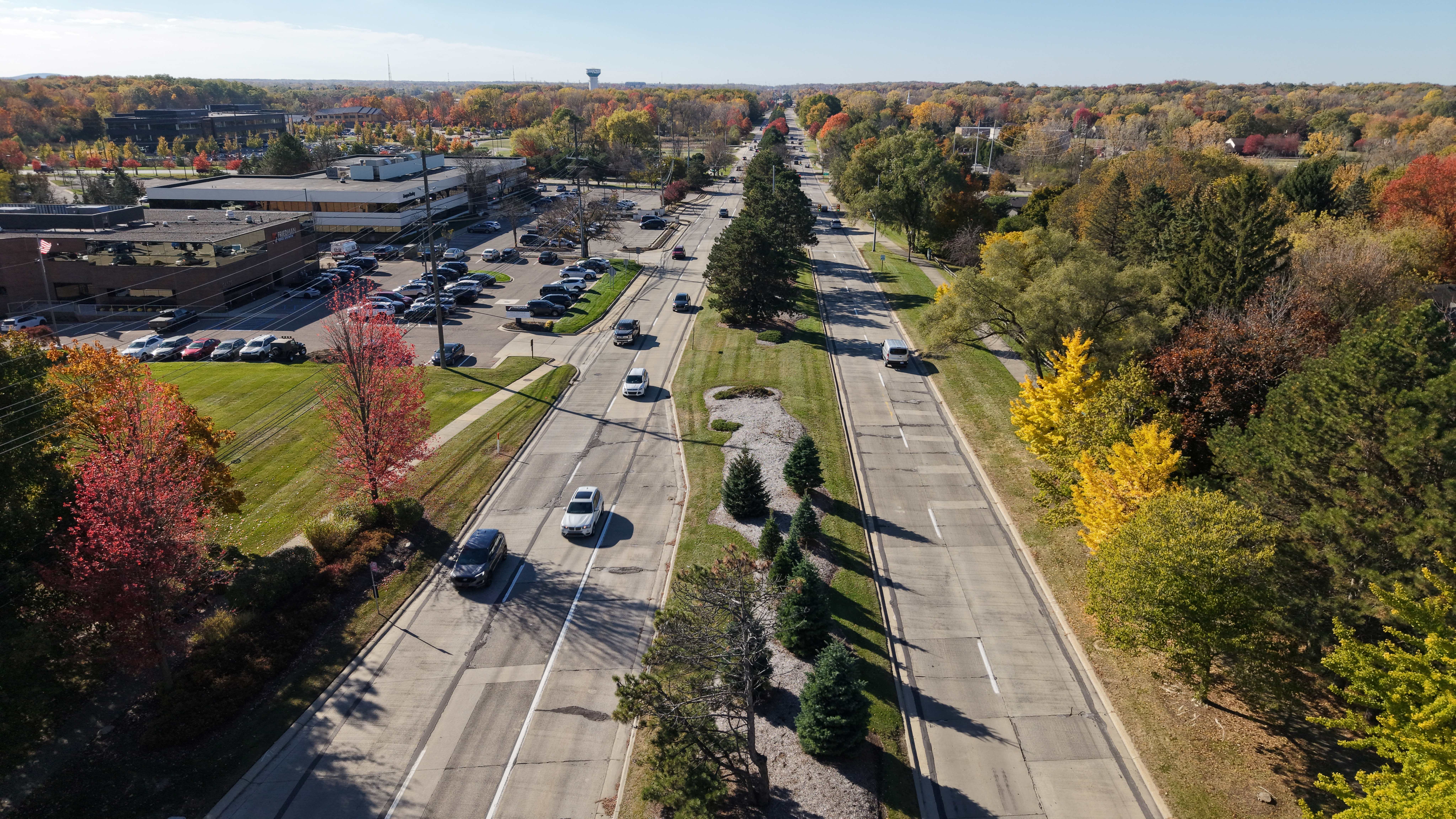
Situated in the heart of Oakland County, the City of Farmington Hills is located approximately 17 miles northwest of downtown Detroit and 20 miles northeast of Ann Arbor. Covering 34 square miles of gently rolling terrain characterized by a mature tree canopy, the City features a diverse mix of residential neighborhoods, ranging from classic suburban subdivisions to larger, more rural homestead lots. The community’s premier regional positioning is reinforced by immediate access to major transit arteries, including I-696, M-5, and I-96. This exceptional highway connectivity links residents seamlessly to Southeast Michigan’s primary employment centers, world-class cultural institutions, and professional sports venues within a short drive.
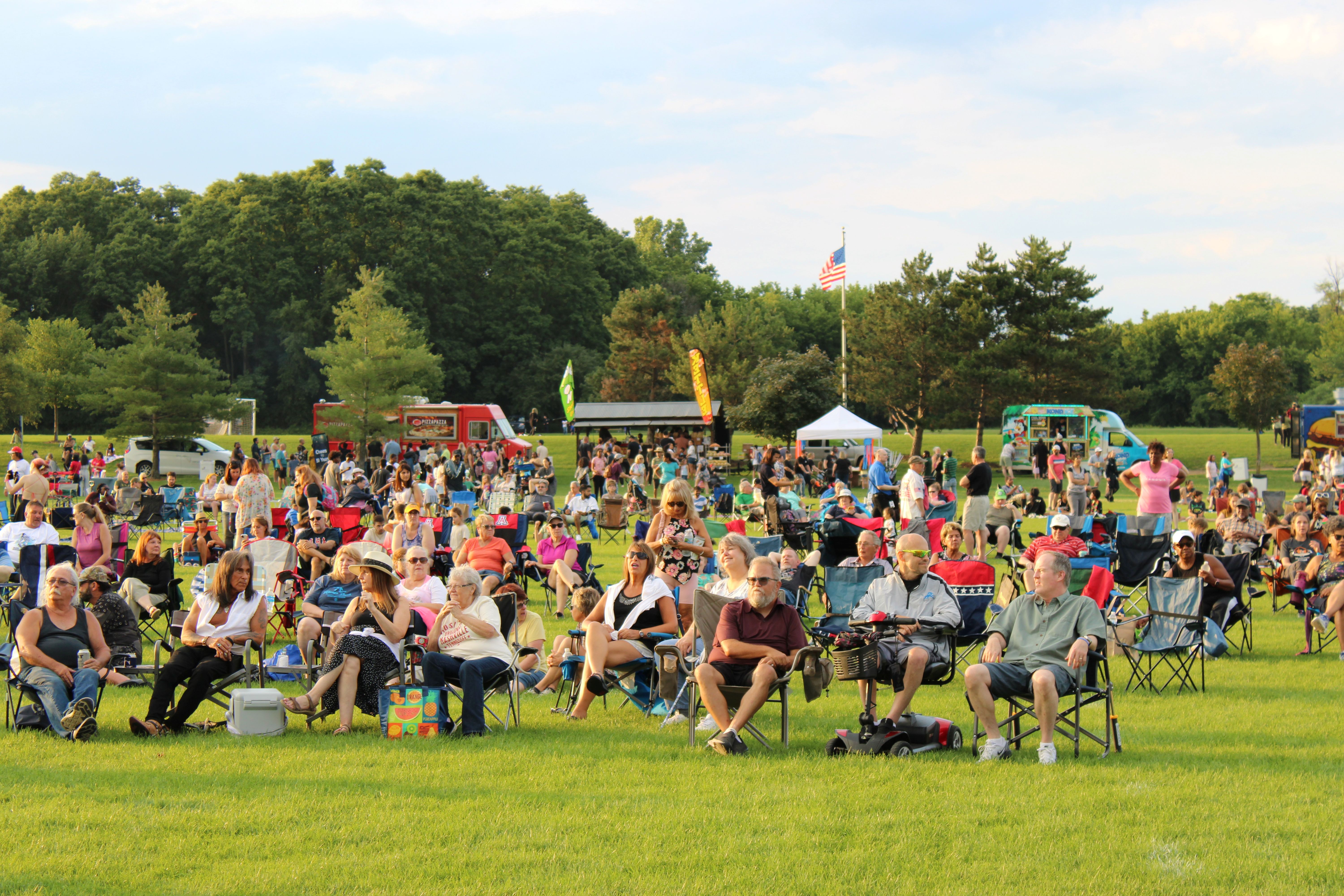
Farmington Hills is a diverse and financially stable community. Transformational redevelopment is underway, and Council is highly engaged in this strategic process. The next City Manager has the opportunity to work with City Council in shaping the future of this community as it moves to its next chapter Farmington Hills stands out as one of the most demographically diverse suburbs in Michigan, and it is arguably the most diverse municipality in Oakland County. With 67 languages spoken across the City and nearly 20% of its population born outside the United States, the community is a rich cultural mosaic where significant White, Black, Asian, Middle Eastern, and South Asian populations live and work together. The City actively embraces this multicultural identity by hosting a vibrant, year-round roster of inclusive cultural festivals, including HindiFest, City-supported Juneteenth celebrations in partnership with local AME churches, PRIDE Night Out, and widespread interfaith gatherings. Strong, collaborative relationships are maintained across a diverse array of houses of worship—including mosques, synagogues, temples, and churches—facilitated by an active and highly regarded local interfaith association. Highlighting this regional commitment to education and reflection, the City is home to the Zekelman Holocaust Memorial Center, which serves as the only institution of its kind in the state of Michigan.
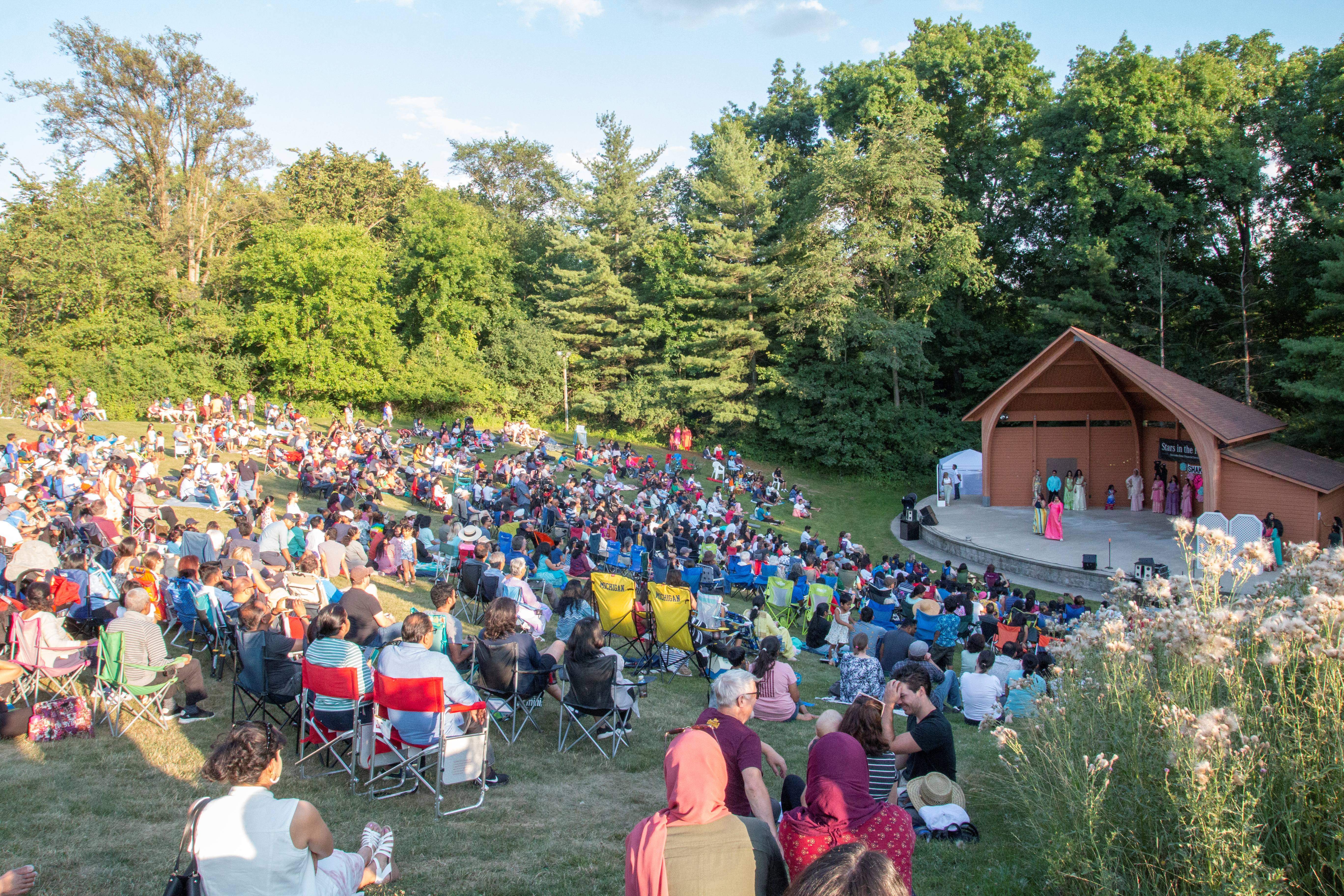
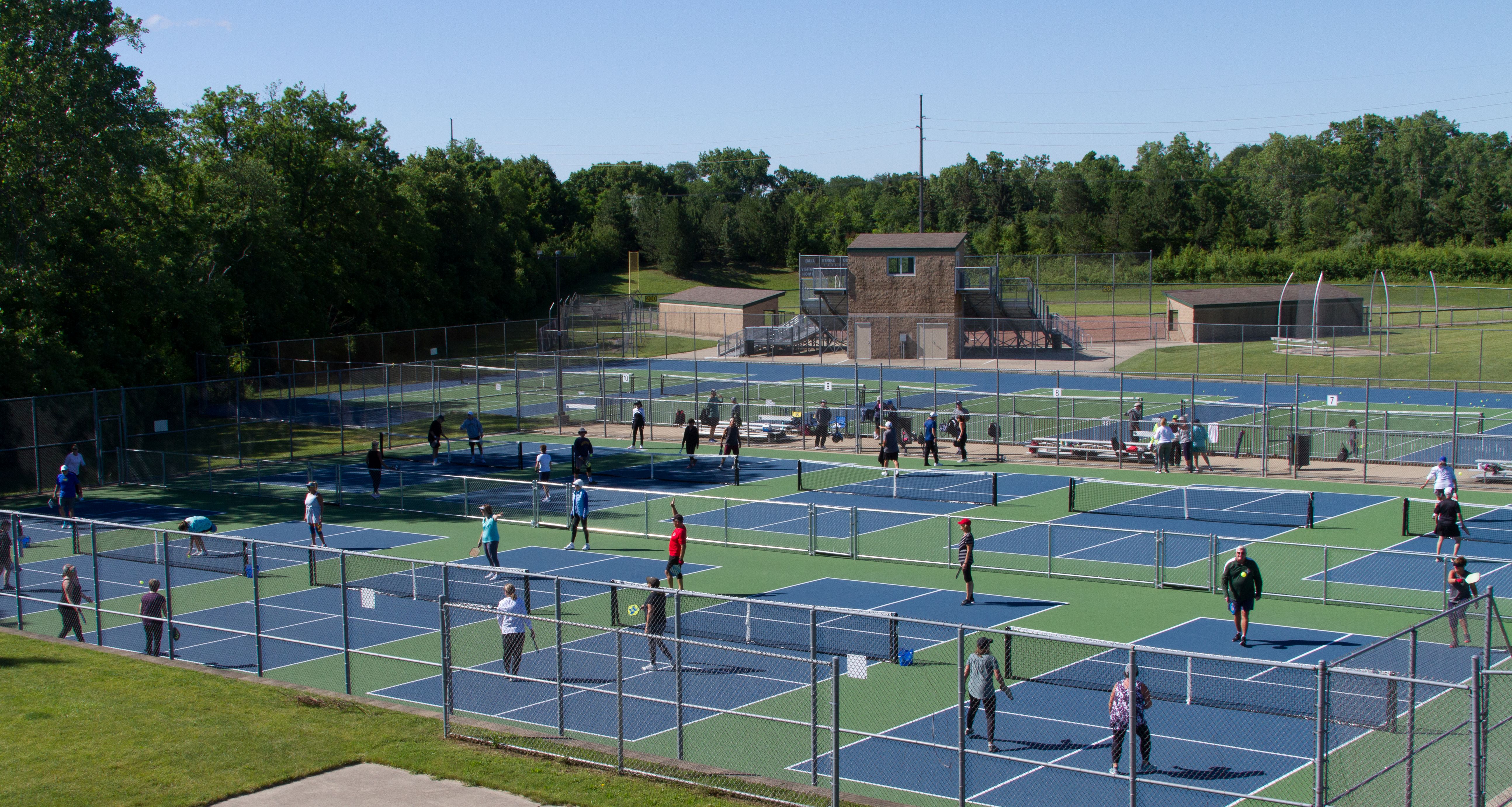
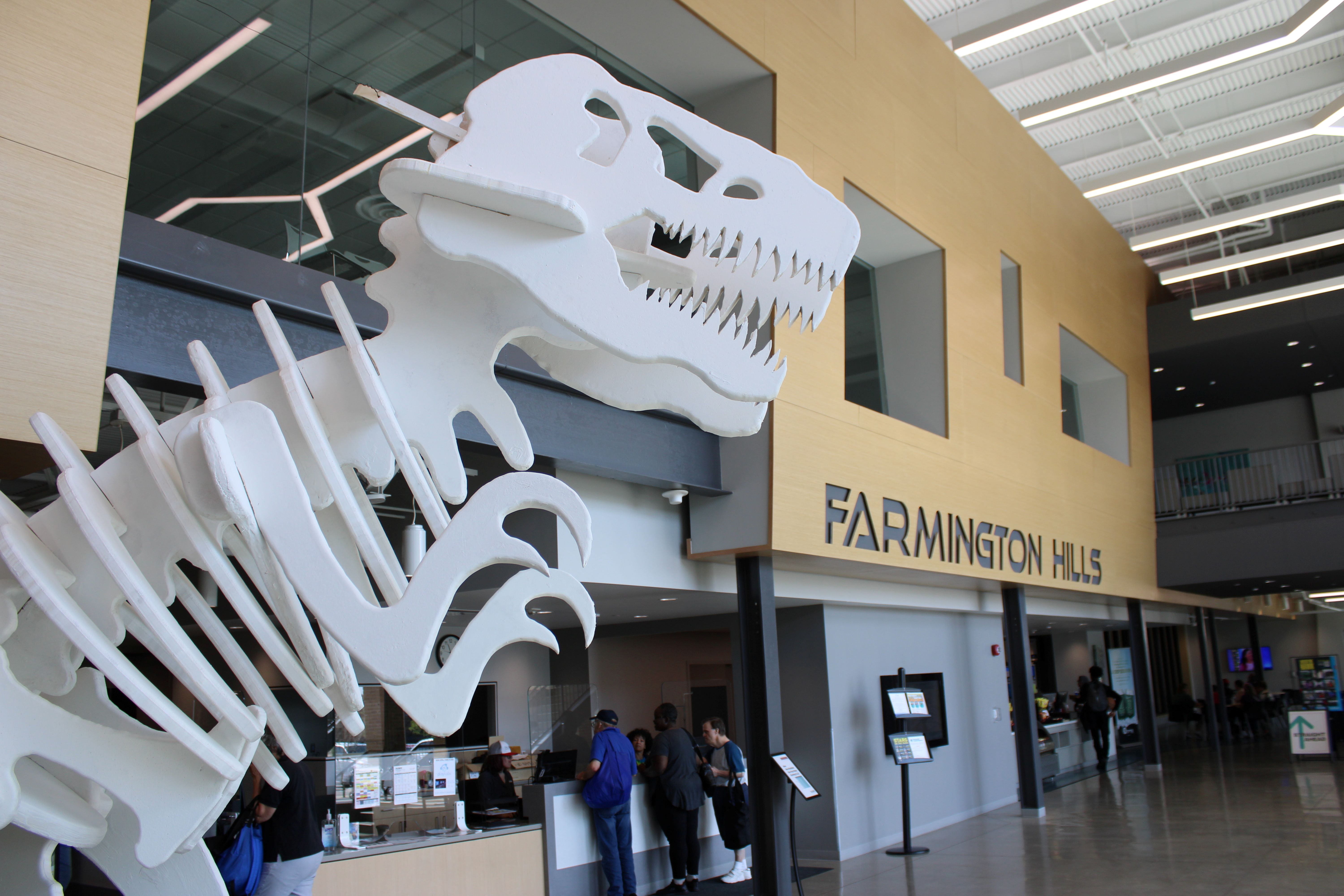
Farmington Hills offers an exceptional quality of life anchored by The Hawk, an award winning 270,000 square foot recreation and fitness complex. The Hawk features the Hawk Theatre where Grammy recognized musicians have performed, multiple 2D and 3D art studios, gallery spaces, an elite fitness center, a multi sport simulator room and the innovative Hawk Makerspace. Michigan’s largest municipal Cultural Arts Division further enriches the community with year round classes, concerts, exhibitions and signature events including Art on the Grand, a juried festival showcasing regional and national artists. Beyond its cultural amenities, the City maintains more than 600 acres of pristine parkland highlighted by Heritage Park, which attracts approximately 750,000 visitors each year and includes a Nature Center, splash pad and miles of scenic trails. Residents also enjoy the 175-acre Farmington Hills Golf Club. All recreational and cultural offerings are managed by the City’s Special Services Department, widely regarded as one of Michigan’s most comprehensive and forward thinking operations. These amenities, combined with the City’s ranking as number 5 on Architectural Digest’s list of “25 Best Places to Live in the U.S. for Art and Design Lovers,” make Farmington Hills an extraordinary community for the next City Manager to serve and lead.
Educational excellence serves as a central point of community pride and a primary driver for residential retention. Farmington Public Schools serves more than 9,000 students across 17 modern facilities, including a specialized K-8 STEAM Academy that consistently ranks among the top elementary and middle school programs in the state. The school district earns an impressive A-minus rating from Niche, ranking 53rd out of more than 600 public school districts across Michigan. The community's educational landscape is further enriched by its proximity to world-class higher education institutions, with convenient access to Oakland Community College, Wayne State University, Michigan State University, and the University of Michigan. Farmington Hills is also home to Oakland Community College’s Orchard Ridge Campus with nearly 8,000 students annually, supplying the community with educated professionals in health, technology, and more.
The robust local economy is anchored by the automotive engineering, advanced mobility, medical, and research and development sectors. Nearly 5,000 businesses operate within Farmington Hills, ranging from startups to major global corporations and Fortune 500 headquarters. Elite corporate employers with a major presence in the City include the Nissan Technical Center, Bosch, MAHLE, 5/3 Great Lakes Campus, and ZF. To sustain long-term economic competitiveness, the City capitalizes on its direct connection to Oakland County's Economic Development services, which continues to drive significant growth in biotechnology, financial services, and alternative energy fields. Looking forward, the Grand River Corridor represents the City's most significant commercial redevelopment opportunity. Backed by a comprehensive market study and streetscape design, this corridor is undergoing major revitalization. A recently completed food desert study has already successfully catalyzed the area, attracting new restaurants to the corridor with several more projects currently moving through the development pipeline.
The broader civic experience is further enhanced by the City's unique relationship with the neighboring City of Farmington. While maintaining distinct municipal boundaries, the two cities seamlessly share a top-tier public school district, a unified public library system currently undergoing extensive modernizations at both branches, and numerous shared community programs. The adjacent City of Farmington adds a charming, walkable downtown district packed with locally owned boutique shops, diverse restaurants, fine art galleries, and a highly popular seasonal farmers and artisans market. Together, the Farmington Hills community masterfully blends the administrative capacity and convenience of a major, well-connected suburb with the warm character of a close-knit town—a place where neighbors know one another, senior citizens are deeply valued, families comfortably put down roots, and new arrivals from across the globe are enthusiastically welcomed.
All demographic information was sourced from the U.S. Census Bureau.

The expected hiring range for this position is $200,000 - $225,000, depending on qualifications.
The City of Farmington Hills offers a comprehensive benefits package, including:

Candidates should be aware that Michigan's Open Meetings Act (OMA) governs how the City of Farmington Hills will handle this recruitment process. Under Michigan's Open Meetings Act, applications and resumes may be reviewed in closed session only if a candidate specifically requests confidentiality. Candidates who wish to make such a request should do so in writing at the time of application. Absent a written request, application materials may be discussed in open session. Candidates who are selected as finalists should expect that their interviews with the City Council will be conducted in public, open session, and that their names, qualifications, and interview responses will become part of the public record. All decisions regarding the selection of finalists, the preferred candidate, and the terms of employment will be made in open session.

Applicants complete a brief online form and are prompted to provide a cover letter and resume. The position will be open until filled with a first review of applications beginning July 21.
Under Michigan's Open Meetings Act, applications and resumes may be reviewed in closed session only if a candidate specifically requests confidentiality. Candidates who wish to make such a request should do so in writing at the time of application. Absent a written request, application materials may be discussed in open session. Candidates who are selected as finalists should expect that their interviews with the City Council will be conducted in public, open session, and that their names, qualifications, and interview responses will become part of the public record. All decisions regarding the selection of finalists, the preferred candidate, and the terms of employment will be made in open session.
Please direct questions to Anne Lewis at alewis@raftelis.com or Niayla Hairston at nhairston@raftelis.com.