minute read


The rapid growth of data center capacity and the resulting need for generation is presenting electric utilities with market opportunities not seen in decades.
A 2025 report by the International Energy Agency (IEA) found that U.S. data center electricity consumption increased from 108 terawatt-hours (TWh) in 2020 to 183 TWh in 2024. Projections by the IEA indicate that electricity usage by data centers could reach 426 TWh in 2030, an increase of almost four times in just 10 years.
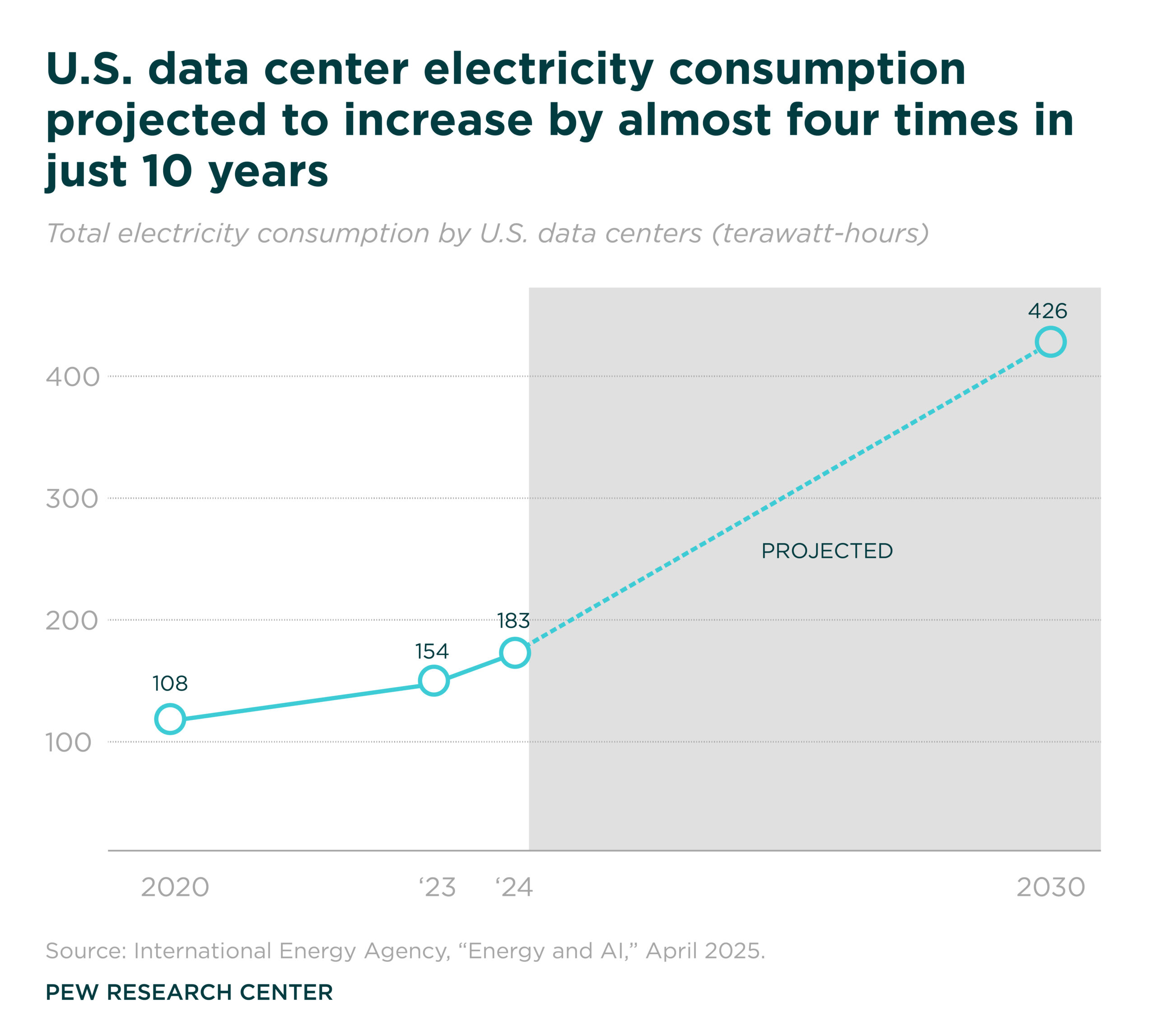
This relatively sudden upturn in electricity consumption is rightly commanding much attention in the energy sector. However, municipal electric utilities should avoid the hype surrounding the data center trend. Instead, it is essential to carefully assess the potential benefits and potential downsides of data center expansion as part of an overall evaluation of the opportunity for the city, residents, and businesses of the broader region.
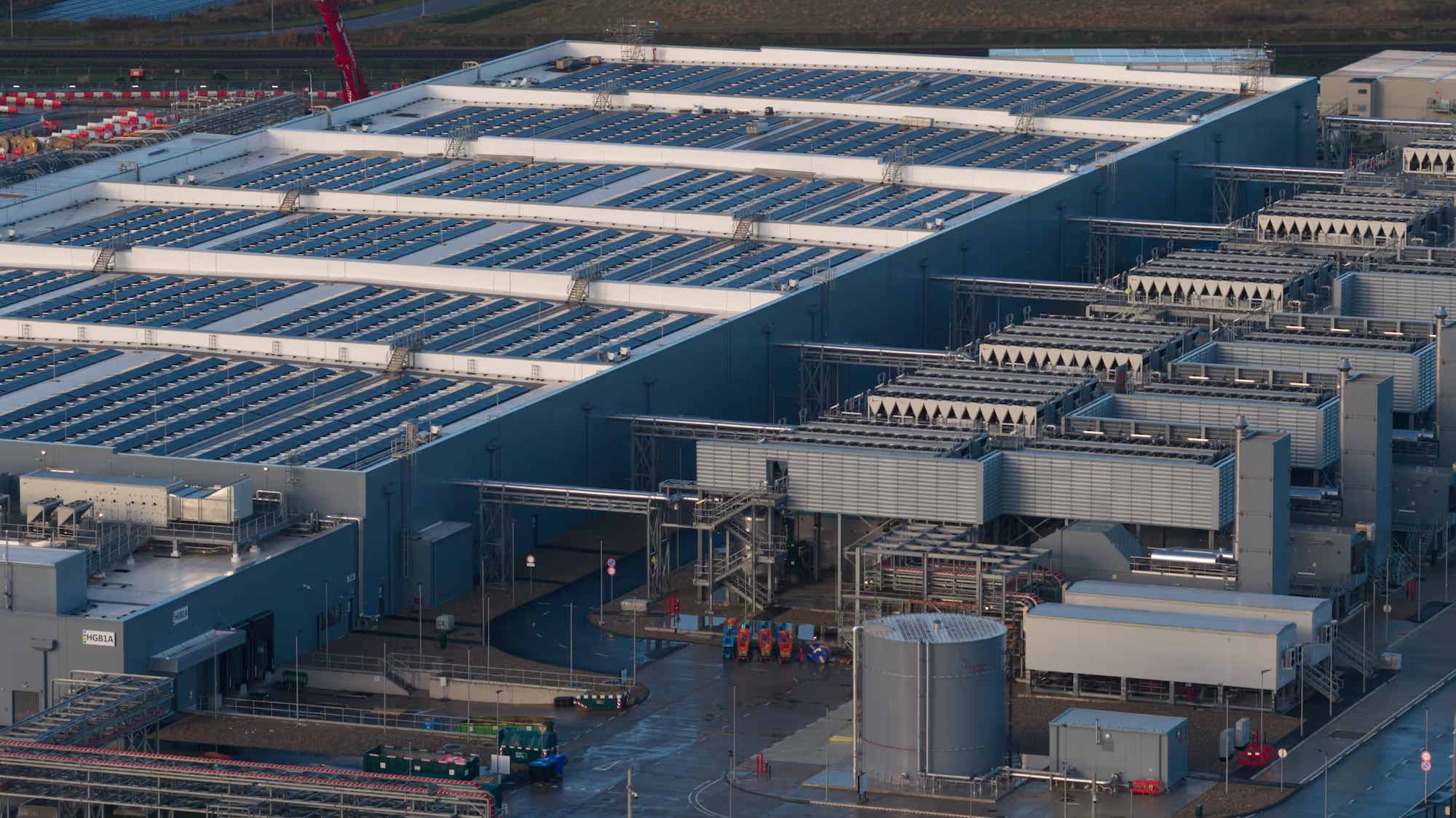
A data center is a dedicated facility used to house computer systems and their associated components, including telecommunications and storage systems. While there are various types of data centers, there are generally three categories of benefits related to data center expansion that public utilities and local governments should consider.
A data center project can potentially offer several benefits to the host region. However, there are associated risks that need to be carefully evaluated. Among these are stranded investments should the data center project not be completed or its operations prematurely terminated, and the consumption of large amounts of electricity and water that can put upward pressure on regional costs for these resources, and impacts to quality of life due to noise and other disruptive factors.
Given the large amount of data center development activity currently underway, it is likely that municipal electric utilities will become engaged in these types of projects, if not now, then soon. It is important to have a plan that considers the following.
Identify the types of benefits the municipality and broader region would most like to gain from a data center project. Under what conditions would the region want to host a data center? Similarly, identify and define the negative impacts and the extent to which these should be avoided. Developing a data center policy is a means of identifying and considering various factors in a structured manner. These policies should address the legal, financial, infrastructure, and livability concerns that will arise for residents when a data center opportunity emerges. Key questions include proximity to residences, noise restrictions, maximum size, host municipality, and related fees.
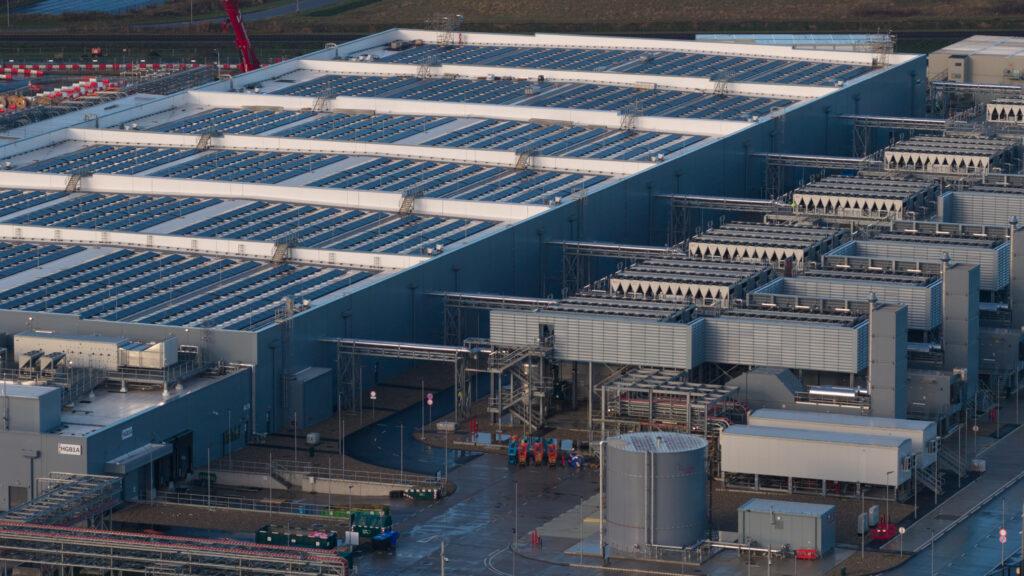
Steps should be taken to assess regional infrastructure and understand the capability for hosting various sizes of data centers. This includes the electric generation, transmission, and distribution capacity currently available to the region, as well as the overall ability to serve large loads, both now and in the future. Similarly, the availability of water infrastructure should be carefully evaluated. A data center can consume more than one million gallons of water each day for cooling purposes. Variability in cooling requirements throughout the year can also negatively impact load shape and further complicate water resource economics.
Finally, make sure that the municipality is involved and has a voice in regional economic development efforts to attract data center capacity that are likely underway. These organizations operate at the state and regional levels, including investor-owned utilities that serve the area. Early awareness, the opportunity to communicate preferences, and coordination with other entities will all be beneficial as data center development projects emerge. Having thought through the key considerations for hosting a data center can greatly benefit a municipality and the broader region once an actual development emerges.
At Raftelis, we focus our efforts on local governments and utilities, providing a wide range of services to help ensure our clients’ success. It is this municipal focus and holistic approach that make us among the most trusted advisors to organizations like yours. We understand the many factors that must be considered when evaluating new data center opportunities.
For more information and to discuss how we can help, please reach out to Steve Courtney at scourtney@raftelis.com.
Link copied