6
minute read



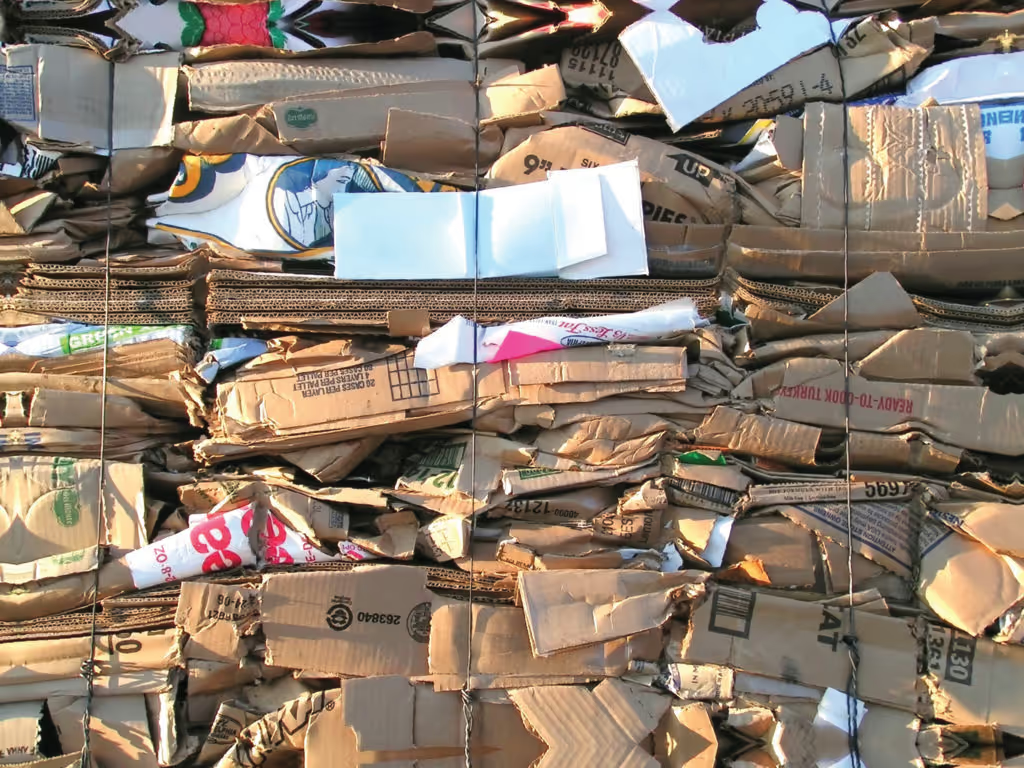
Manufacturers profited, cities paid—that's changing.
For decades, U.S. municipalities funded recycling through property taxes while manufacturers profited from cheap, disposable packaging with zero downstream accountability. That equation is changing fast, and the pace caught many communities off guard.
Maine broke ground in 2021 with the nation's first packaging Extended Producer Responsibility (EPR) law, requiring producers to join a Producer Responsibility Organization (PRO) and pay fees covering municipal recycling costs. Oregon followed quickly. Then, California raised the stakes with SB 54, mandating that by 2032, all packaging sold in-state must be recyclable or compostable, with 65 percent of plastic packaging actually recycled. Producers will contribute $5 billion to a statewide fund to mitigate plastic pollution. More than 135 EPR laws across 18 product categories already exist nationwide, and new legislation is advancing in multiple state legislatures each session.
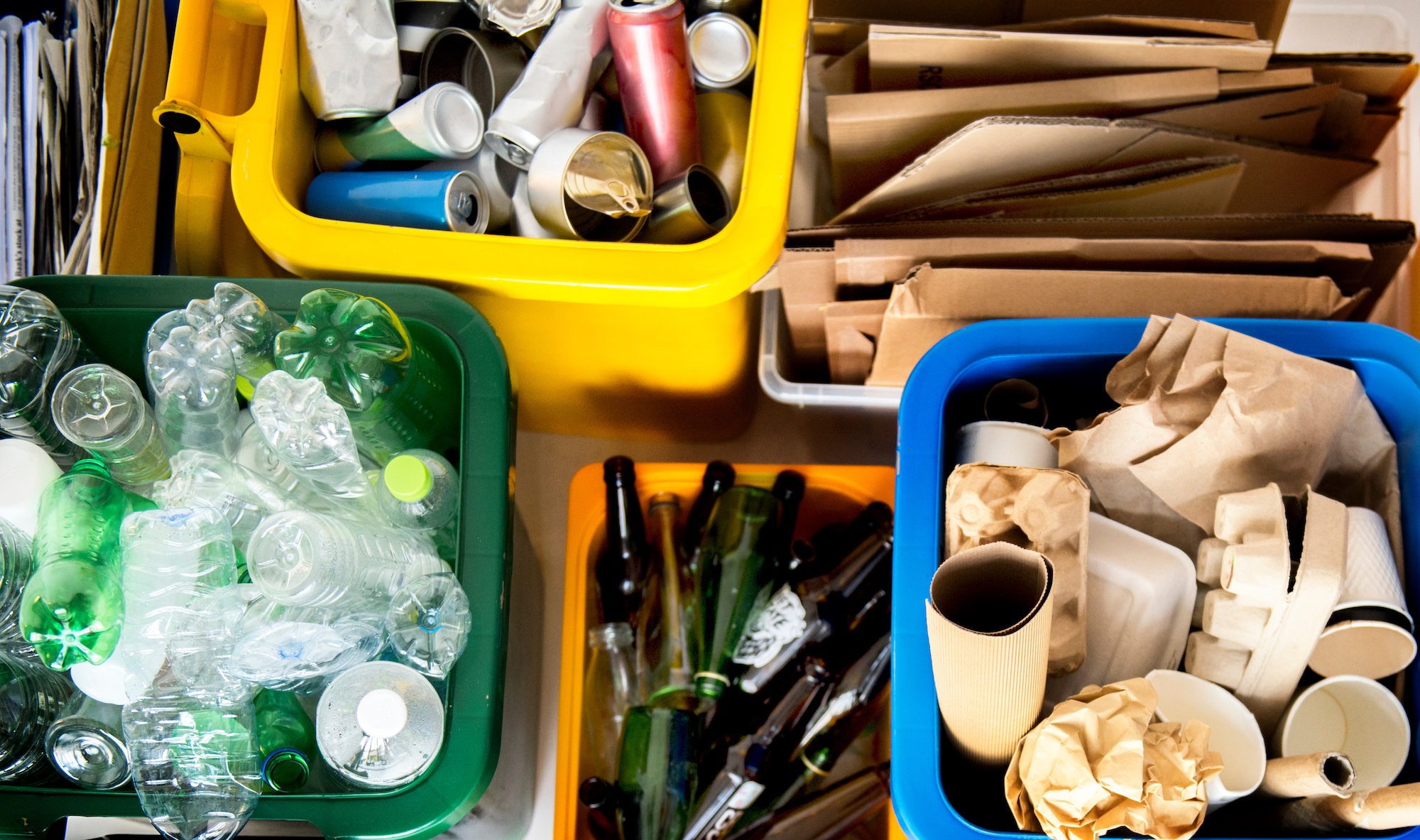
Extended Producer Responsibility shifts recycling costs from cities to the companies that design and profit from products. The principle is straightforward: those who create packaging should finance its afterlife. For waste professionals, this isn't a distant policy debate: it's a three-to-five-year operational reality that will reshape contracts, revenue streams, reporting requirements, and the fundamental relationship between municipalities and the private sector.
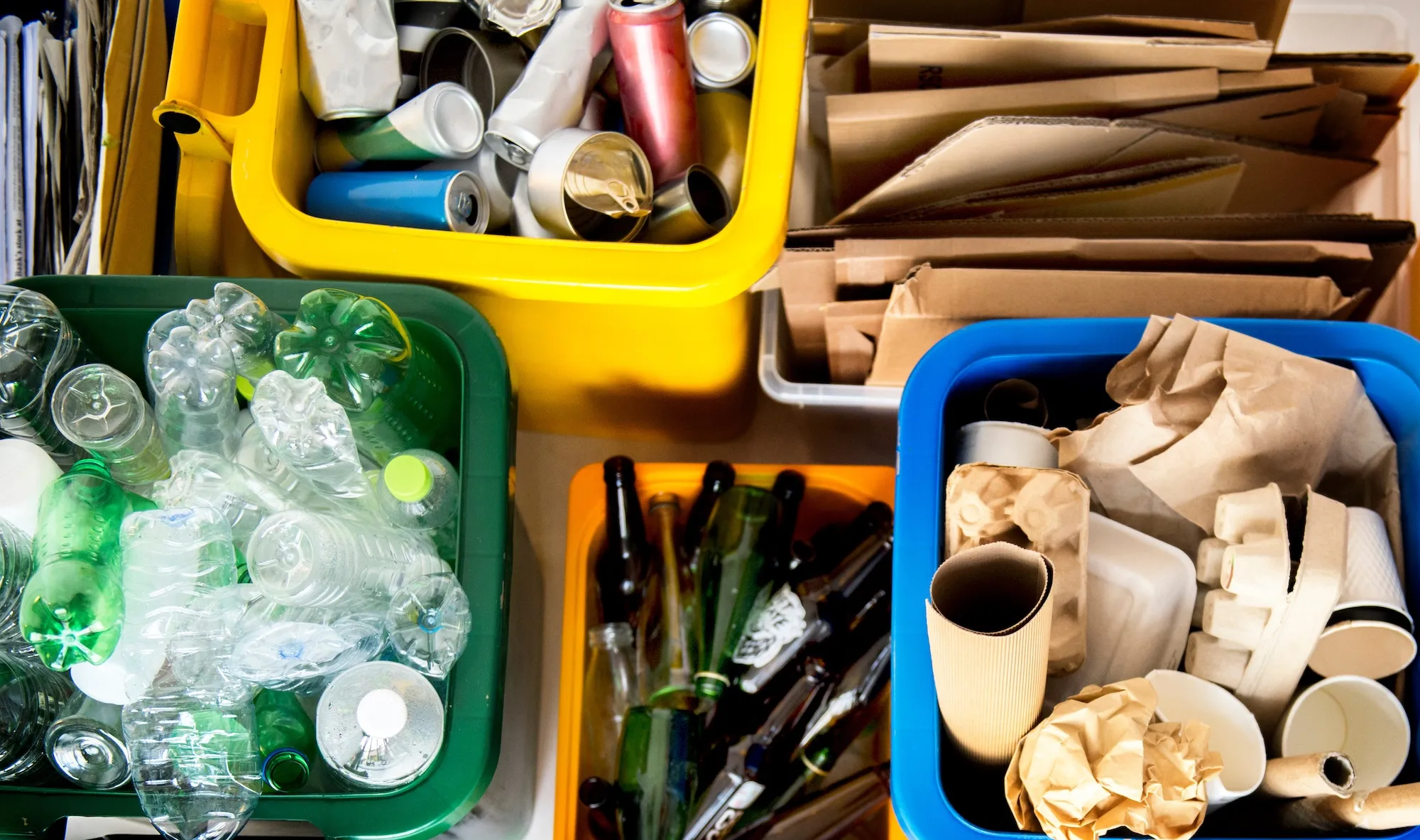
Most U.S. municipalities are underprepared for this transition. China's 2018 National Sword policy collapsed markets for contaminated recyclables, and many cities still haven't recovered financially. Recycling programs remain underfunded; infrastructure is aging, and contamination rates stay stubbornly high. EPR offers a path forward, but the current landscape presents real challenges alongside the promise.
The most immediate challenge is fragmentation. Each state defines producers, covered materials, exemptions, and performance targets differently. A national brand may face seven distinct packaging laws and 25 electronics laws, each with unique reporting and fee structures. A hauler operating across three states might contract with a municipal government in one, a PRO in another, and a hybrid model in the third. Material Recovery Facility (MRF) operators face varying contamination standards, reporting requirements, and payment structures depending on material origin. Industry warns compliance costs will escalate without harmonization, while municipalities worry about juggling multiple PROs in overlapping territories.
International experience shows what works and what doesn't. British Columbia's program, where producers fund 100% of residential recycling costs for packaging and paper, saved municipalities hundreds of millions while achieving nearly 80% recovery rates for plastic packaging. South Korea's rigorous oversight, substantial penalties, and meaningful fee structures drive an average recycling rate of 87% across 24 product categories and have increased packaging recycling by 70% within 15 years. Germany's Green Dot system helped achieve a 67% recycling rate for packaging. France pioneered repair bonuses for electronics, funded by EPR fees, that subsidize consumer repair costs and extend product lifespans.
The consistent pattern: strong enforcement and harmonized rules deliver results. Weak oversight and patchwork approaches dilute them.
The complications deserve honest acknowledgment. Producer fees don't disappear; they flow downstream through product prices, meaning consumers may see higher costs at the register. Small businesses face compliance burdens that accumulate quickly across multiple state programs. Without strong end markets for recovered material, collected recyclables can sit in warehouses or get exported. If the fee differences between recyclable and non-recyclable packaging are too small, producers simply pay rather than redesign. And without complementary policies, such as recycled-content mandates, EPR risks becoming a funding transfer rather than systemic change.
EPR stabilizes funding, but funding alone doesn't build processing infrastructure or create demand for recovered material.
[[CTA:subscribe]]
Whether or not your state has passed EPR legislation, these four steps will position your organization to lead rather than react.
EPR represents the most significant structural shift in U.S. waste management funding in a generation. When implemented with strong oversight, clear rules, and genuine producer accountability, it stabilizes recycling economics, funds infrastructure upgrades, and creates real design incentives that reduce waste at the source.
The municipalities and haulers that prepare now, by cleaning up data, understanding baseline costs, stress-testing contracts, and engaging early in program design, will shape how these programs work in their communities. They'll secure adequate funding, influence reporting standards, and build regional partnerships that make the transition manageable.
The result is a waste management system where recycling costs are shared equitably, infrastructure investments are sustainable, and residents benefit from better service backed by dedicated funding.
To discuss how your municipality can better prepare for this shift, contact Morgan McCarthy at mmccarthy@raftelis.com.
Link copied