

Organization:
Orange County, NC

Location:
Hillsborough, NC

Recruiter:
Pamela Wideman

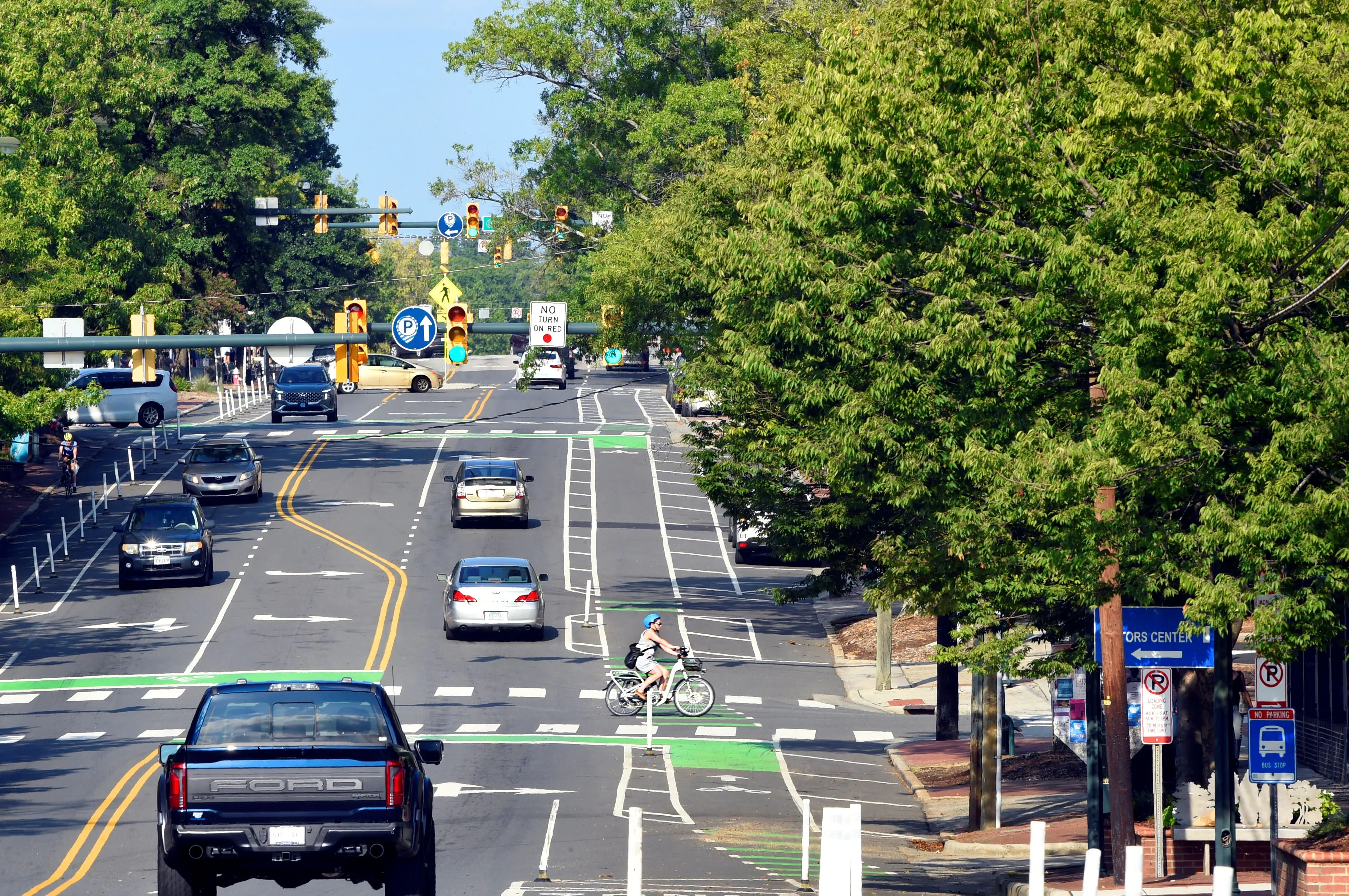
The Transportation Director provides executive leadership, vision, and administration for the Orange County Transportation Department, guiding the planning, coordination, and delivery of transportation and transit programs that connect residents to employment, education, medical care, and other essential destinations across the county and the broader region. The Director sets the operational and strategic direction for the department, translating the priorities approved by the Board of County Commissioners (BOCC) and the direction of the County Manager into effective, cost-efficient programs and seamless customer service.
Reporting to the County Manager, the Director develops, implements, and monitors transportation policies, programs, and budgets in alignment with county, state, and federal goals. The role carries full responsibility for the department's financial stewardship, including the development and administration of annual operating and capital budgets, the management of contracts with public and private agencies, and the appropriate programming of County funds toward multimodal transportation needs. The Director conducts and reviews research, statistical analysis, and special studies to develop, amend, and implement County transportation plans and improvement projects, and summarizes the potential effects of proposed policy initiatives for County leadership.
A central part of the role is regional effective collaboration and seamless coordination. The Director serves as the primary liaison between Orange County and local, regional, state, and federal partners, including US Department of Transportation, NC Department of Transportation, the Triangle West Transportation Planning Organization and Burlington-Graham Metropolitan Planning Organizations (BGMPO)s, Triangle Area Rural Planning Organization (TARPO) Piedmont Authority for Regional Transportation (PART), GoTriangle, and Chapel Hill Transit, as well as municipalities, County departments, and advisory boards. The Director manages the Orange Unified Transportation Board (OUTBoard) and the County's representation on the technical committees of regional Metropolitan Planning Organizations and Rural Planning Organizations, developing regional plans and implementation programs within federal and state guidelines and in compliance with applicable regulatory requirements, including SPOT/STIP, CTP, MTP, MTIP, UPWP, CMAQ, and STBG processes, while supporting the County Commissioner representatives.
The Director also serves as the primary point of contact with NCDOT for BOCC, staff, and citizen inquiries, providing information for project requests and delivery and keeping the Board informed on both STIP and non-STIP actions such as corridor studies, safety and mobility programs, and bridge replacement. The position oversees the maintenance of department facilities and vehicles, monitors fleet and insurance costs, and manages the County's portion of the UPWP, STIP, CTP, MTP, and SPOT prioritization processes, including elements of the Triangle Regional Model and Bus and Rail Investment Plan monitoring. The Director makes written and oral presentations to management, advisory boards, and the Board of Commissioners, and performs other related duties as assigned.
The Transportation Director reports directly to the Orange County Manager and serves as the County's senior transportation leader. The Director presents regularly to the Board of County Commissioners and provides staff support to Commissioner representatives on regional bodies. The Director supervises and manages department staff and manages the Orange Unified Transportation Board (OUTBoard).


The successful candidate is an experienced, multimodal transportation leader who combines technical depth with strong interpersonal and political acumen. They bring thorough knowledge of transportation principles and methods for moving people and goods, including the relative costs and benefits of different approaches, along with a solid command of strategic planning, resource allocation, human resources practices, public finance, budgeting, and the laws and regulations that govern transportation programs. They understand North Carolina transportation funding and know how to navigate the FTA regulatory environment, procurement, and the purchase of vehicles and transit capital projects.
This is a leader who listens well. They can actively engage and collaborate with stakeholders across a diverse community, identify the themes that matter, and translate them into actionable plans. They communicate clearly in writing and verbally, explaining technical and financial concepts so that the Board, advisory members, and residents can make well-informed decisions. They are comfortable conducting systems analysis, identifying performance measures, interpreting technical and statistical data, and presenting professional recommendations to elected officials and the public.
Beyond technical command, this role calls for a particular leadership character. The County is looking for an innovative, visionary leader who is willing to test boundaries and develop creative solutions in a limited funding environment, and who stays customer-focused and empathetic toward residents who depend on services, including dialysis patients and people with mobility needs. The right person is a multimodal leader rather than a car-centric leader, valuing transit, bicycle, and pedestrian options alike. Experience as a rural transportation leader is a strong asset, with helpful benchmarks including Wilson, Alamance County, and Burlington, North Carolina, along with a track record of financing a rural county transportation system and managing high-profile projects.
Equally important is how this leader collaborates with people. They are collaborative, approachable, and patient, able to manage a diverse staff, address inter-staff conflict, and foster collaboration among strong regional partners. They are politically savvy, comfortable working within a council-manager form of government, and skilled at engaging advisory boards and residents while helping Commissioners draft sound policy. They are dependable, flexible, and accountable, with high integrity, strong organizational skills, and a genuine sense of ownership for outcomes. Familiarity with Vision Zero planning and the ability to connect the County's transit plan to the broader Durham, Wake County, and MPO context round out the profile.
Above all, the role calls for someone who can rebuild and strengthen regional relationships, address existing conflict diplomatically, and inspire confidence in the County's transportation work, internally and across the region.

The position requires a bachelor's degree in public or business administration, or a related field of study, along with five (5) years of executive-level experience related to program evaluation, performance measurement, planning, engineering, or budget development and evaluation, including transit systems management, operations, and planning. Candidates must also possess, or be able to readily obtain, a driver's license valid in the State of North Carolina for the type of vehicle or equipment operated.
Orange County operates under the commissioner-manager form of government. The Orange County Board of County Commissioners (BOCC) is the governing body, composed of seven members elected by district and at-large to staggered four-year terms in partisan elections held each November of even-numbered years. The Board adopts the county's annual budget by June 30, funds both public school systems, regulates land use outside municipal boundaries, and sets long-range direction through the Capital Investment Plan. For 2026, Commissioner Jean Hamilton serves as chair and Commissioner Amy Fowler as vice chair.
The Board appoints a professional County Manager, currently Travis Myren, to lead daily operations. The County Manager's Office oversees the 27 departments that make up Orange County, implements Board policy, administers the annual operating budget and Capital Investment Plan, and develops strategies to improve service delivery across the organization.
The county serves more than 140,000 residents and includes historic Hillsborough, the county seat; Chapel Hill, home of the University of North Carolina; and Carrboro and Mebane. Its spending reflects a sustained investment in education and the social safety net. For Fiscal Year 2025-26, the adopted general fund budget totals $306.04 million, a 4% increase over the prior year, supported by a property tax rate of 63.83 cents per $100 of assessed value. The County has also adopted $18.18 per hour as the living wage for both permanent and temporary employees.
Orange County defines its mission as being a visionary leader in providing governmental services valued by the community, beyond those required by law, in an equitable, sustainable, innovative, and efficient way. Its vision is to be a diverse, inclusive, and healthy county working together to strengthen the community and enhance the quality of life for all residents. Adopted in February 2024, the countywide Strategic Plan organizes these aspirations around six goals: Environmental Protection and Climate Action, Healthy Community, Housing for All, Multi-modal Transportation, Public Education/Learning Community, and Diverse and Vibrant Economy. The budget, Capital Investment Plan, and Board agenda items are aligned with the plan, and staff report progress to the Board throughout the year.
The county's appetite for long-term investment is clear: in November 2024, more than 67% of voters approved a $300 million general obligation school bond. Nestled in the North Carolina Piedmont between the Research Triangle Park and the Triad cities, and anchored by the nation's oldest state university, Orange County combines a highly educated population, a diverse economy, and a strong civic culture that together shape the environment in which its next leaders will serve.

Orange County sits in the heart of North Carolina's Piedmont, a region of rolling hills, working farms, and forested countryside. Nestled in the hills of the North Carolina Piedmont, Orange County is located between the Research Triangle Park and the Triad cities of Greensboro, Winston-Salem, and High Point. The county covers a total area of about 401 square miles, of which roughly 398 square miles is land. Located in the Piedmont region, Orange County's county seat is Hillsborough. The county's 2026 population is estimated at roughly 153,000 residents, reflecting steady growth over the past decade.
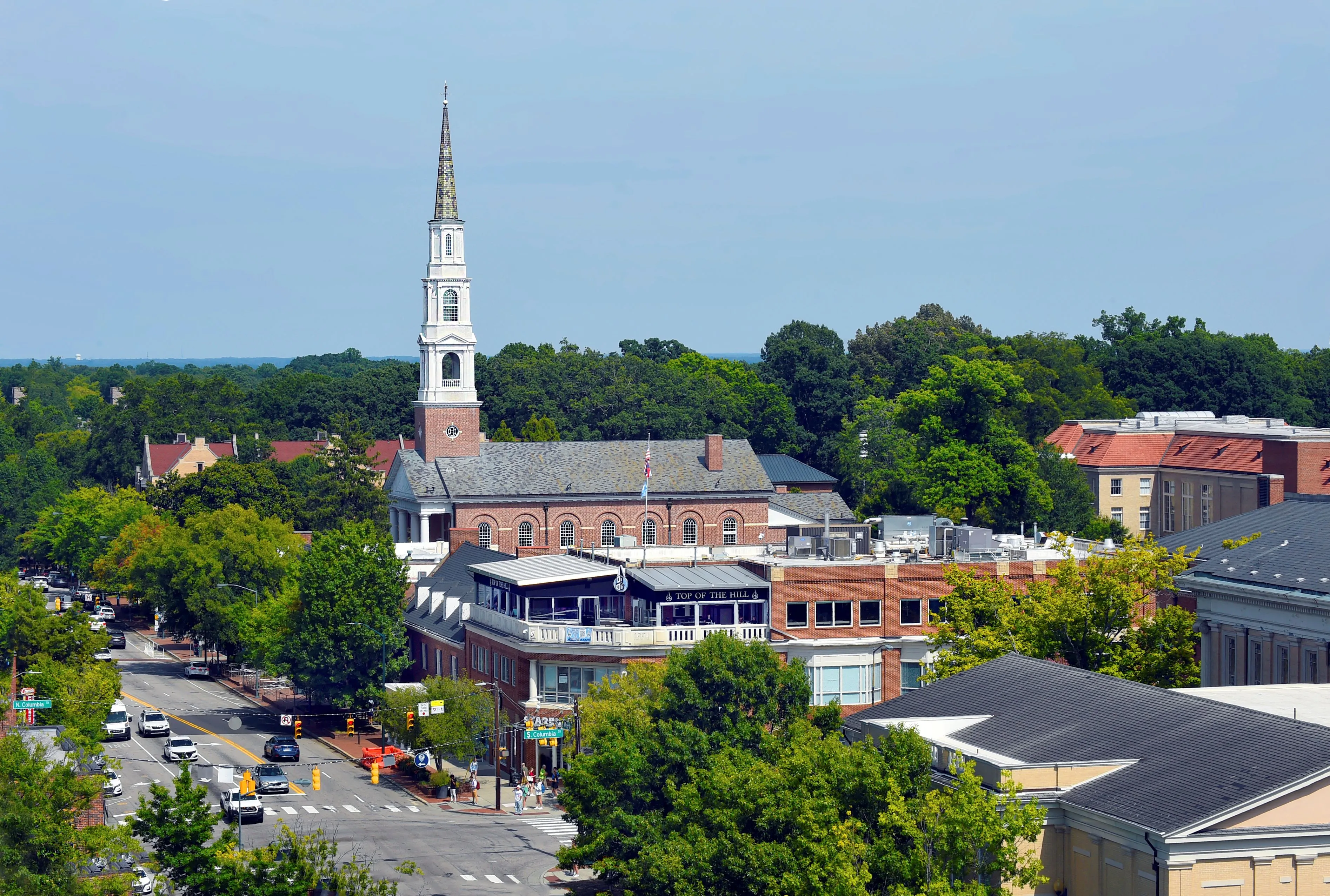
The county brings together three distinctive towns and a network of rural communities. Orange County includes historic Hillsborough, the county seat; Chapel Hill, home of the University of North Carolina, the oldest state-supported university in the United States; and Carrboro and Mebane, former railroad, and mill towns. Smaller communities such as Efland, Cedar Grove, and Caldwell add to the county's rural character. The result is a place that pairs small-town familiarity with the reach of a major metropolitan region. Orange County is part of the Durham-Chapel Hill Metropolitan Statistical Area, which sits within the broader Raleigh-Durham-Cary Combined Statistical Area, home to an estimated 2.37 million people in 2023.
Orange County's identity is shaped by deep history and an active civic culture. Founded in 1752 and named for William of Orange, the county and its seat at Hillsborough served as a center of North Carolina politics in the colonial era, hosting the state's 1778 Constitutional Convention, where delegates demanded that a Bill of Rights be added before they would ratify the U.S. Constitution. Founded more than 250 years ago and once the colonial capital of North Carolina, Hillsborough boasts over one hundred late 18th- and 19th-century structures and is listed on the National Register of Historic Places.
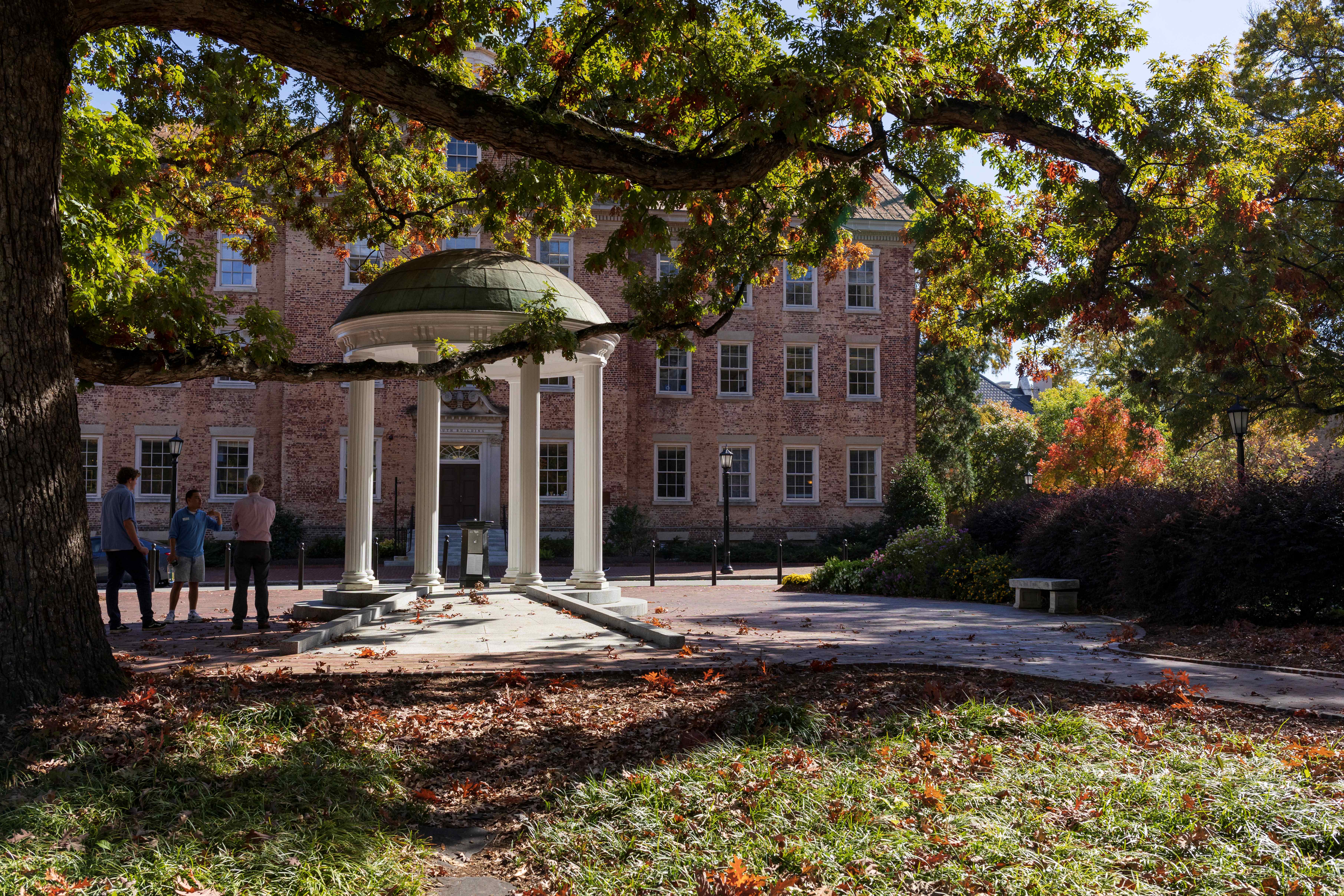
Education anchors the county's economy and its sense of place. The University of North Carolina at Chapel Hill is the nation's oldest state university, with a history of more than two centuries; its campus covers approximately 730 acres and serves about 29,000 students. Chapel Hill is best known as the home of UNC, and the area supports many employers in the healthcare and high-tech industries, who depend on a highly skilled workforce. Durham Technical Community College extends access further through its Orange County Campus near Hillsborough, broadening pathways to credit, career, and continuing-education programs.
Residents enjoy a full calendar of arts, culture, and outdoor recreation. Through the Orange County Arts Commission, residents take part in a thriving arts community, with galleries, museums, public art displays, performing arts events, and festivals across the county's downtowns. Outdoor offerings include the Eno River State Park and the Occoneechee Mountain State Natural Area, along with an expanding county trails and greenway network. Chapel Hill's culture blends a bohemian college town, quaint Southern charm, and a cosmopolitan taste for dining, shopping, and entertainment, while Carrboro is known for its downtown shops, growing arts scene, and well-regarded farmers markets.
Above all, Orange County offers a quality of life that combines metropolitan opportunity with a genuine sense of community. The county gives residents rolling hills and lush green countryside, a rural, down-home feel that blends with a cosmopolitan worldview. Orange County displays a warmth and genuine friendliness that quickly turns neighbors into friends, built by residents and a county government working together to serve today's needs while planning for the opportunities of tomorrow.
All demographic information was sourced from the World Population Review and U.S. Census Bureau.
The expected hiring range is $125,000-$150,000, depending on qualifications, with an excellent benefits package. Learn more about our options and employee-based benefits here.
Benefits offered include the following:

Applicants complete a brief online form and are prompted to provide a cover letter and resume. The position will be open until filled with a first review of applications beginning August 14, 2026.
Please direct questions to Pamela Wideman at pwideman@raftelis.com and Niayla Hairston at nhairston@raftelis.com.