

Organization:
Wake County, NC

Location:
Wake County, NC

Recruiter:
Pamela Wideman
.jpg)
Wake County Animal Services is seeking an experienced, people-focused, progressive operations leader to serve as its Animal Services Operations and Programs Director. This is a newly created position born out of a deliberate reorganization of the Animal Center's leadership structure, and it reflects the County's commitment to providing the additional resources needed to take the Animal Center to the next level of excellence. The right candidate brings strong management experience, a genuine commitment to animal welfare outcomes, and the interpersonal skills required to lead a large, mission-driven team.
The Wake County Animal Center is considered one of the most progressive municipal animal shelters in North Carolina. The Animal Center takes in more than 8,000 stray animals, animals in protective custody, and owner-surrendered animals each year. Of that total, about 4,000 are adopted directly from the Animal Center, and many more find a home through transfer partners. In fiscal year 2025, the Animal Center’s live release rate was 84% (95% when you factor in animals the Center had the ability to impact).
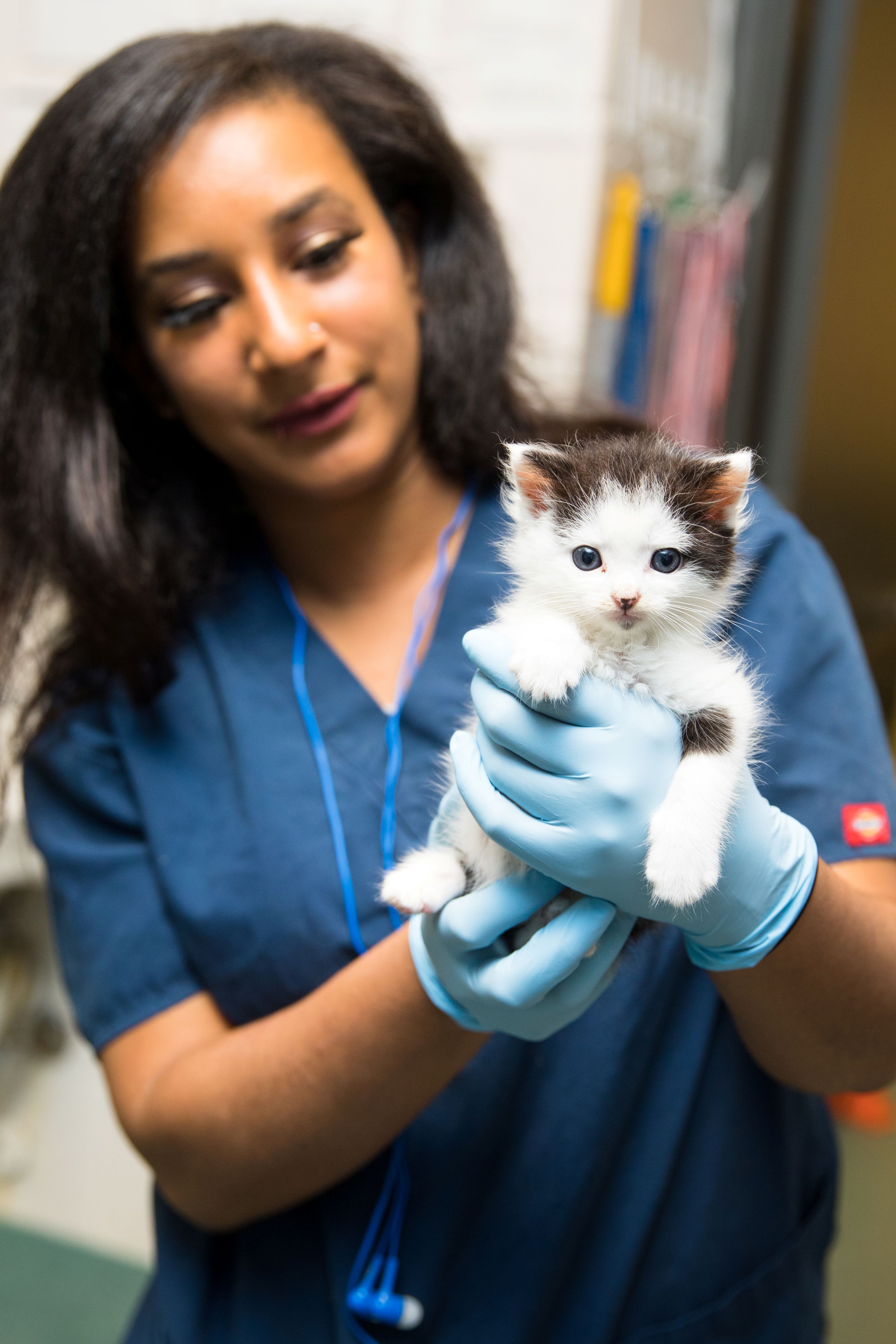
The Animal Services Operations and Programs Director sits within the Community Services Department, reports to the Deputy Community Services Director, and will serve as a co-director alongside the Medical and Welfare Director, who oversees the shelter's veterinary care, population management, and Animal Control. Candidates who are comfortable with shared leadership arrangements and who build strong alignment with peers will be well-suited for this role.
The Animal Services Operations and Programs Director is primarily responsible for overseeing the external-facing operations of the Animal Center, with primary responsibility for customer service, facility operations, and foster, transfer, and volunteer program management, ensuring these functions operate at a consistently high standard and that program goals are resourced, tracked, and met. A significant portion of the role involves monitoring shelter performance data and operational metrics to drive continuous improvement across intake diversion, placement outcomes, and high-quality customer service. The Director also carries the primary administrative and fiscal responsibility for the Center, including budgeting and records management in compliance with county, state, and federal requirements, as well as hiring, onboarding, and performance management for their team.
The Operations and Programs Director leads a team of 25 FTEs with four direct reports covering Community Outreach (Volunteer, Foster, and Transfer Programs), Customer Experience and Administration, and Animal Welfare Attendants and Adoption Support. The Volunteer Program supports the many volunteers who spend more than 23,000 hours per year providing dog walking, cat cuddling, matchmaking, enrichment, administrative support, and more. The Foster Program provides seven-day-a-week support for fosters who take in kittens too small for the adoption floor, dogs in need of heartworm treatment, post-surgical recovery patients, and animals that are too stressed to thrive in the shelter environment. Last year, we averaged 313 animals in foster every month, and our goal is to grow this program to 400 active foster homes. The Transfer Program coordinates the support of local, state, and national rescue groups that take animals requiring more medical or behavioral support than the Animal Center can provide, as well as freeing up space on our crowded adoption floor. Last year, transfer partners took approximately 1,600 animals from the Animal Center, and we hope to grow this program to return to the prior numbers of 3,000 animals being transferred out each year.
The Operations and Programs Director works alongside the Medical and Welfare Director, jointly developing long and short-term plans, sharing program goals and performance metrics, co-designing standard operating procedures and disaster preparedness plans, and ensuring consistent public communication on animal services matters
The Operations and Programs Director is responsible for the Animal Center's community relations, representing the Center in meetings with government officials, civic organizations, and partner agencies, and overseeing adoption-focused social media and outreach efforts. Internally, the Director works closely with County leadership on budget development, including presenting and justifying expansion requests, analyzing program costs and revenue streams, and reviewing fee structures. Wake County is currently designing a new Animal Center facility, and the incoming Director will play a role in shaping how that space is activated operationally.
.jpg)
The Animal Services Operations and Programs Director is, first and foremost, a skilled manager of people and programs. Wake County is seeking a business-minded leader who knows how to run a complex operation, build functional teams, and bring structure to a high-volume environment. While Wake County is open to candidates with non-traditional backgrounds, the ideal candidate will come in with working knowledge of how an animal shelter operates. Liking animals and being comfortable around them are baseline expectations. What sets the right candidate apart is caring just as much about the people.
The ideal candidate is steady, calm under pressure, and resilient. Animal services work involves real loss on a regular basis, and the Director will need to model emotional durability for a team that is susceptible to compassion fatigue and burnout. This role requires the ability to balance the Shelter’s mission with sound management judgment, policy adherence, and perspective on what it takes to run a well-functioning shelter.
Experience in animal services, public health, social services, parks and recreation, or another public-facing field where both service quality and regulatory compliance matter will translate well here.
The community Wake County Animal Services serves is wide and varied, and the Director must bring a customer service focus and a genuine respect for the full range of perspectives on animals and pet ownership that this community holds. The Director should be approachable and transparent, consistent and fair in how rules are applied, and capable of holding staff accountable without losing the trust of the team.
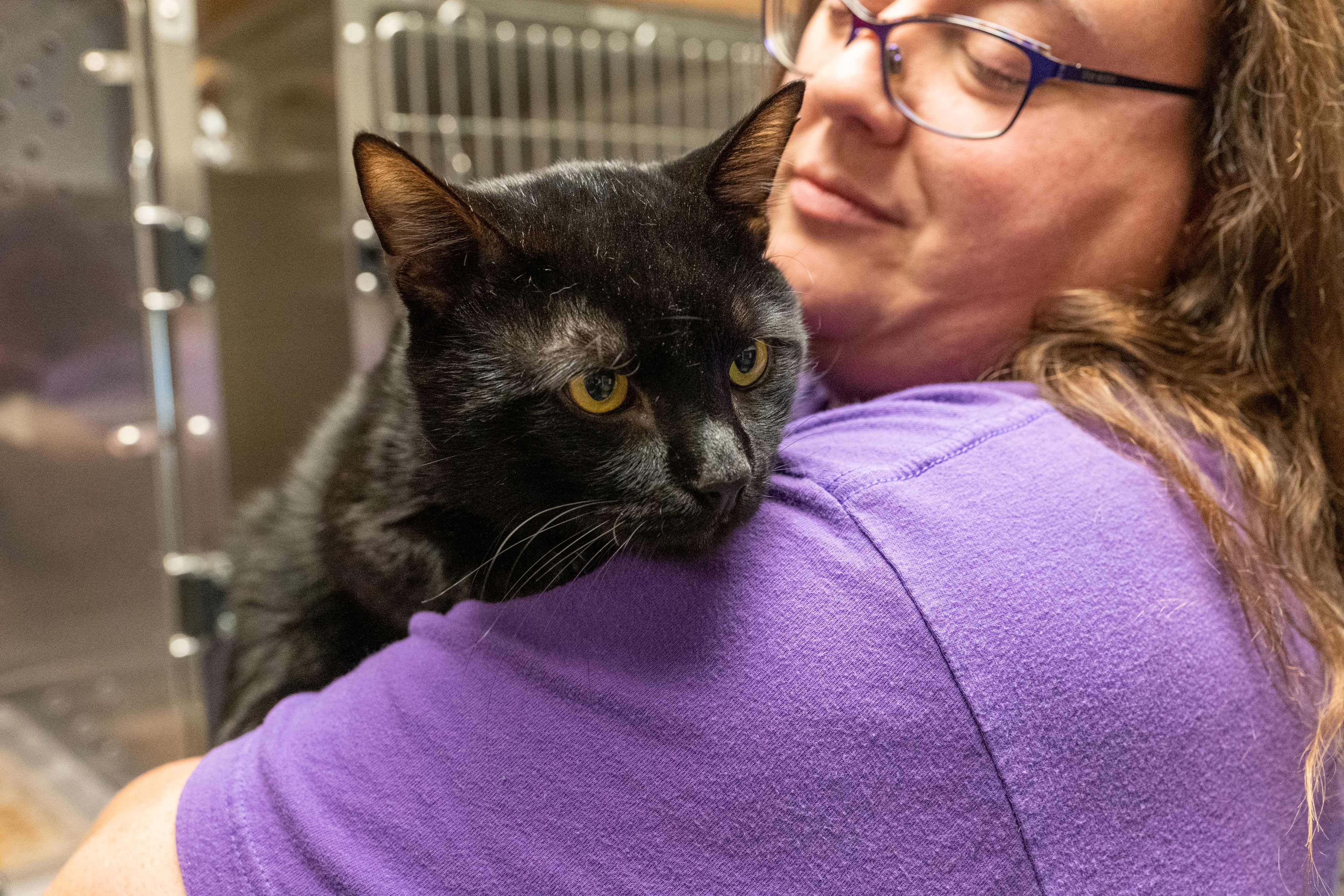
Minimum requirements include a bachelor's degree in Business Administration, Public Administration, Animal Science, or a related field, and six years of senior management experience, which may include previous experience as a nonprofit CEO or Executive Director, Deputy Director, or management-level experience in animal center operations. At least two years of direct supervisory experience is required, as is a valid driver's license with a safe driving record. Wake County accepts an equivalent combination of education and experience to meet minimum qualifications.
Preferred qualifications include four or more years of supervisory experience and a Certified Animal Welfare Administrator (CAWA) designation.
Animal Services operates as a division within the Community Services Department and reports to the Deputy Community Services Director. The division's work is grounded in a clear mission: to make a difference for the animals and citizens of Wake County through adoption, education, enforcement, and community partnership. As the only open-admission shelter in the County, the Wake County Animal Center takes in all stray and abandoned pets in Wake County. The Center is supported by a strong network of community partners, active volunteers, and a dedicated staff that collectively keep the Center's live release rate among the strongest in the region.
The Animal Services Operations and Programs Director leads a team of 25 FTEs with four direct reports, covering Community Outreach (Volunteer, Foster, and Rescue Programs), Customer Experience and Administration, and Animal Welfare Attendants and Adoption Support. The position reports to the Deputy Community Services Director and works in close partnership with the Animal Services Medical and Welfare Director, who oversees the animal intake team, population management, veterinary team, and animal control. The division's FY27 operating budget is $6.6 million.
Wake County is in the process of designing a new Animal Center facility. Public services at the new Animal Center will include animal adoption, a public veterinary clinic offering targeted services, foster program offices, and animal surrender and redemption services. Funding for the new Animal Center is included in the County's Capital Improvement Program, with portions approved in the FY 2025 and FY 2026 budgets and the remaining $17 million scheduled for the FY 2027 budget.
Wake County sits at the heart of North Carolina's Research Triangle region, one of the most dynamic and desirable places to live and work in the United States. As the largest county in North Carolina and in the Triangle, Wake County is home to Raleigh, North Carolina's state capital, and serves as the anchor of a regional economy that has drawn residents, businesses, and investment from across the country and around the world. The area offers a rare combination: the cultural amenities, career opportunities, and energy of a major metropolitan region, with the livability, natural surroundings, and community character of a place that still feels like home.
A Place People Choose
Wake County is home to a population of approximately 1.18 million people, and the growth shows no sign of slowing. The region adds 64 new residents every day, 43 of whom move here and 21 of whom are born here. Wake County offers an ideal blend of cost, comfort, and culture, plus thousands of diverse jobs that continue to attract young professionals, families, and people at every stage of life. The median household income in Wake County is $105,768, and the County remains one of the most educated communities in the nation. As of 2024, 15.1% of Wake County residents were born outside the country, reflecting the global character of a community that draws talent from every corner of the world. The County's population includes significant Black or African American and Asian communities, and approximately 11.6% of residents identify as Hispanic.
Education and Schools
Wake County is served by the award-winning Wake County Public School System, the 14th largest in the nation. Higher education is a defining strength of the region. Proximity to top-tier research institutions, including North Carolina State University, Duke University, and UNC-Chapel Hill, fuels a highly skilled workforce and creates a robust pipeline of talent for employers across every sector. The largest universities in Wake County include North Carolina State University at Raleigh, Wake Technical Community College, and several other degree-granting institutions, ensuring that residents have access to continuing education close to home.
Economy and Innovation
The Research Triangle region is a hub for innovation, anchored by corporate giants like IBM, Cisco, Red Hat, and Lenovo, and has evolved into fertile ground for startups and emerging technologies. Wake County is one of the best places in the U.S. to start and grow a business, fueled by top-tier research universities and company headquarters across technology, life sciences, and financial services. This dynamic region is home to a wide range of businesses, including Fortune 500 companies and thousands of small- and mid-sized life science and technology firms. The County's economic strength is not concentrated in a single sector; it reflects a deliberate, decades-long investment in building a diversified, innovation-driven economy that has proven resilient through national economic cycles.
Recent recognitions include being named the Top Innovation Hub in the South, Best State Capital to Live In, and Best Performing City by the Milken Institute, among many others. Raleigh has also been recognized for offering the best quality of life on the U.S. East Coast, ranking among the top cities for STEM workers, and earning recognition as one of the top job markets in America.
Arts, Culture, and Recreation
Wake County and the greater Raleigh area offer a cultural scene that far outpaces what the population size alone might suggest. The region is home to the North Carolina Museum of Art, the North Carolina Museum of History, the North Carolina Museum of Natural Sciences (the largest natural history museum in the Southeast), and a thriving performing arts community anchored by venues ranging from intimate neighborhood theaters to major concert halls. People are drawn to Raleigh for a lower cost of living, a higher quality of life, arts and culture, education, and proximity to both the beach and the mountains.
Raleigh alone features more than 200 parks with classes and programs, art centers, athletic facilities, community centers, lakes, nature preserves, dog parks, greenway trails, historic sites, and open spaces. The broader county offers an extensive greenway system, reservoirs, and natural areas that give residents easy access to the outdoors year-round. The Atlantic coast is approximately two hours to the east, and the Blue Ridge Mountains are two to three hours to the west, making Wake County a genuinely central base for outdoor recreation in every direction.
The Triangle's food, beverage, and festival culture has grown alongside the population, with a thriving local brewery and restaurant scene, multicultural festivals, outdoor concert series, and farmers’ markets throughout the County. For a leader relocating from anywhere in the country, Wake County offers a quality of life that is genuinely difficult to match.
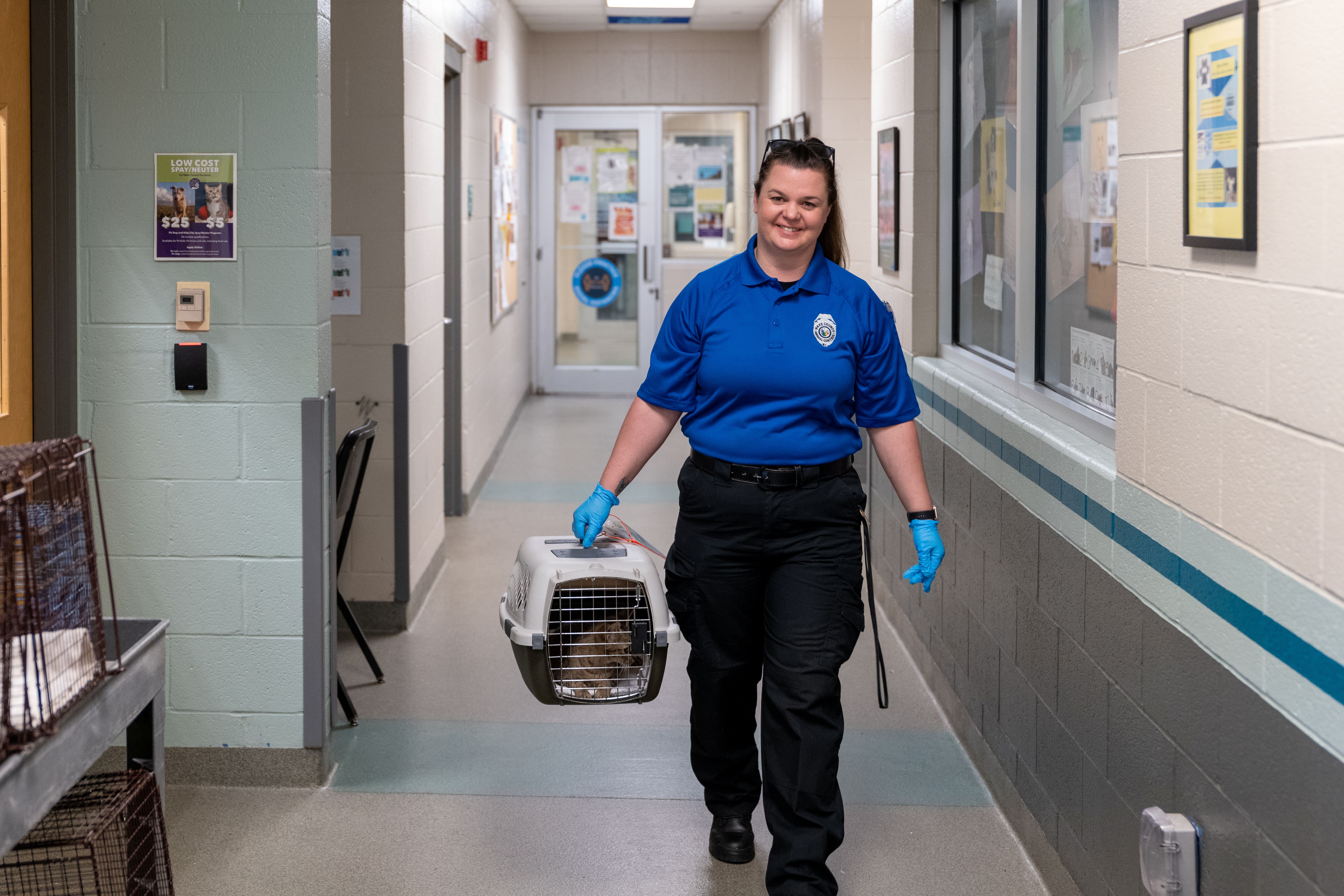
The expected hiring range is $101,817 to $142,541, depending on qualifications. Wake County offers a comprehensive total compensation package that reflects its commitment to recruiting and retaining exceptional public sector leaders. Learn more about our options and employee-based benefits here.
Applications will be accepted electronically by Raftelis. Applicants complete a brief online form and are prompted to provide a cover letter and resume. The position will be open until filled, with a first review of applications beginning July 24, 2026.
Please direct questions to Pamela Wideman at pwideman@raftelis.com and Kelsey Batt at kbatt@raftelis.com.