3
minute read
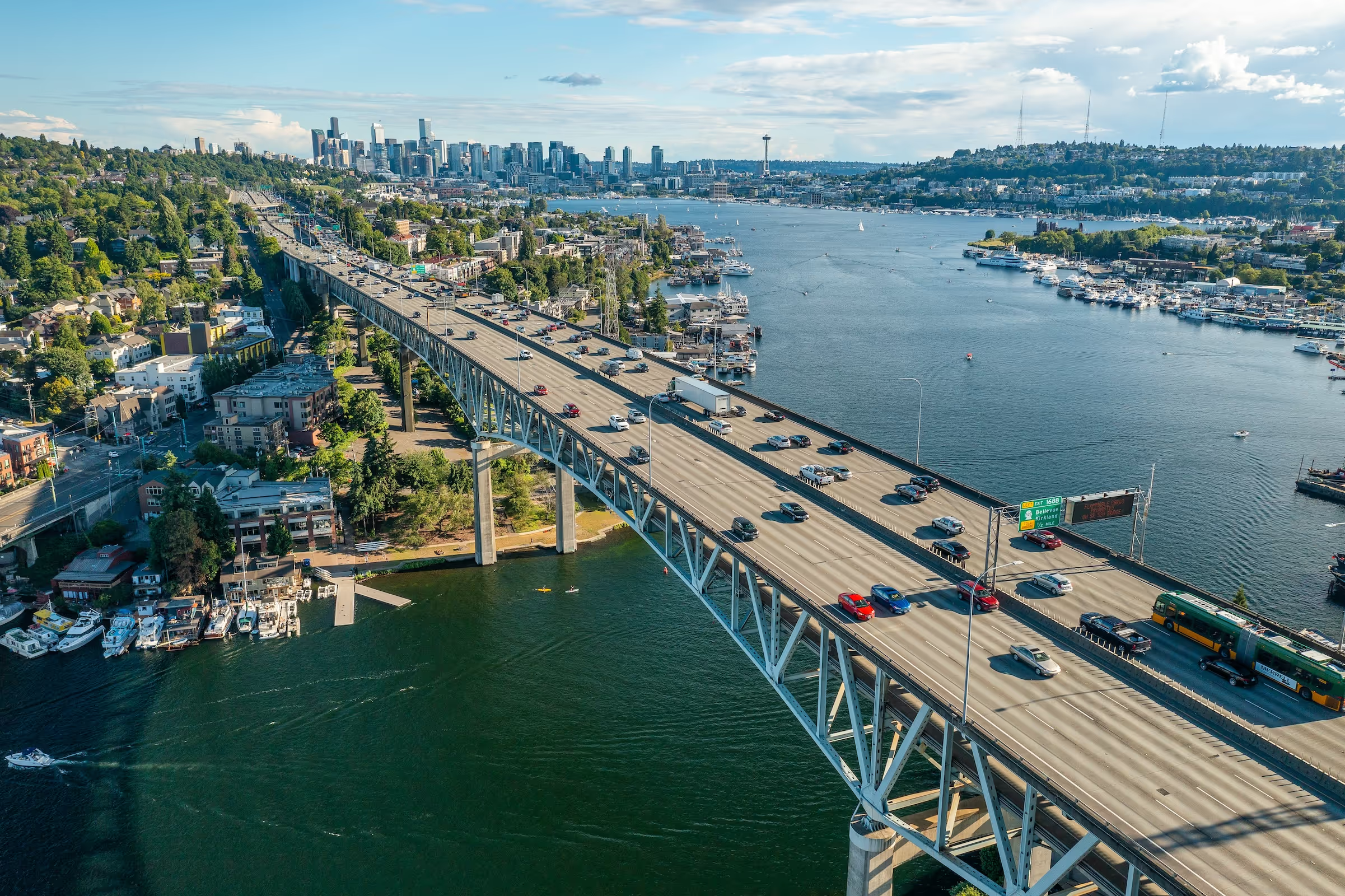



As the city of Seattle’s urban landscape shifts toward higher housing density, the traditional methods of waste collection, recycling, and food waste recovery face a critical stress test.
Seattle Public Utilities (SPU) needed to reduce the overall waste stream and encourage smaller garbage footprints while adapting to the logistical challenges of increased urban density and changing housing types. As a city with ambitious environmental goals and a multi-service area utility, SPU engaged Raftelis to help the City minimize its waste stream, reduce the size of garbage cans, and respond proactively to expected changes in housing density.
The final report did more than provide data on peer cities; it explored why certain strategies were effective in other high-density environments, uncovering the root causes of billing and waste management inefficiencies and identifying transparent billing models that encourage customer behavior toward waste reduction and food waste recovery.
[[CTA:subscribe]]
Raftelis collaborated closely with the SPU team to execute a deep-dive Benchmarking Research and Report. This high-level analysis focused on several critical elements of the City’s waste management system:
This report provided the City with data-backed insights that will help improve the customer experience while promoting the long-term well-being of the local economy and environment.
Link copied