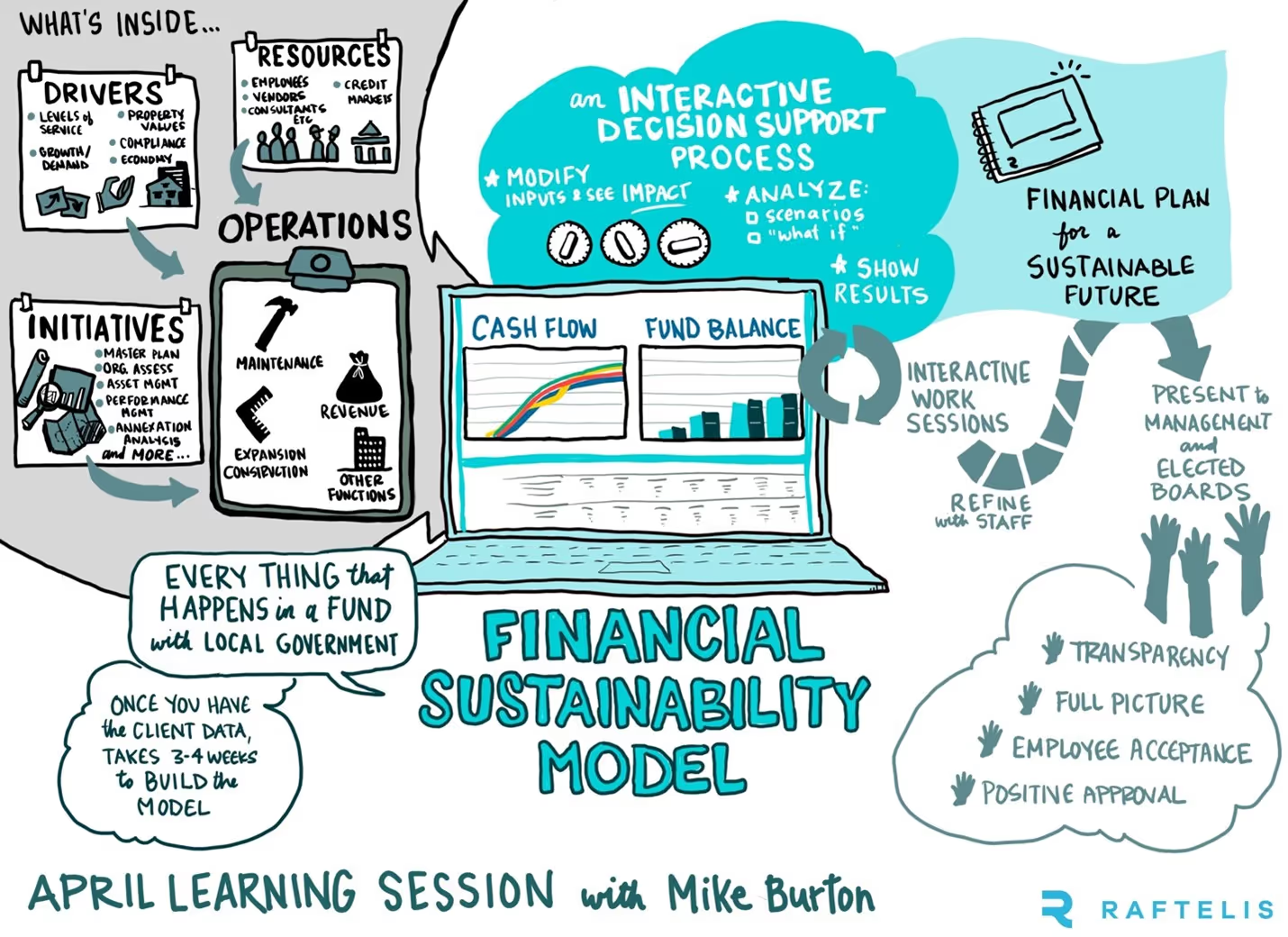
More than 80% of us are visual learners, yet our standard meeting structure is to get a bunch of people in a room or online and talk.
Sometimes, we include a presentation slide deck, but the slides are often just text with one or two images. Studies show that visual images combined with text increase memory retention up to 89% (Robert Horn, Stanford University). Before you suffer through yet another lengthy Zoom meeting, consider that there is a better way.
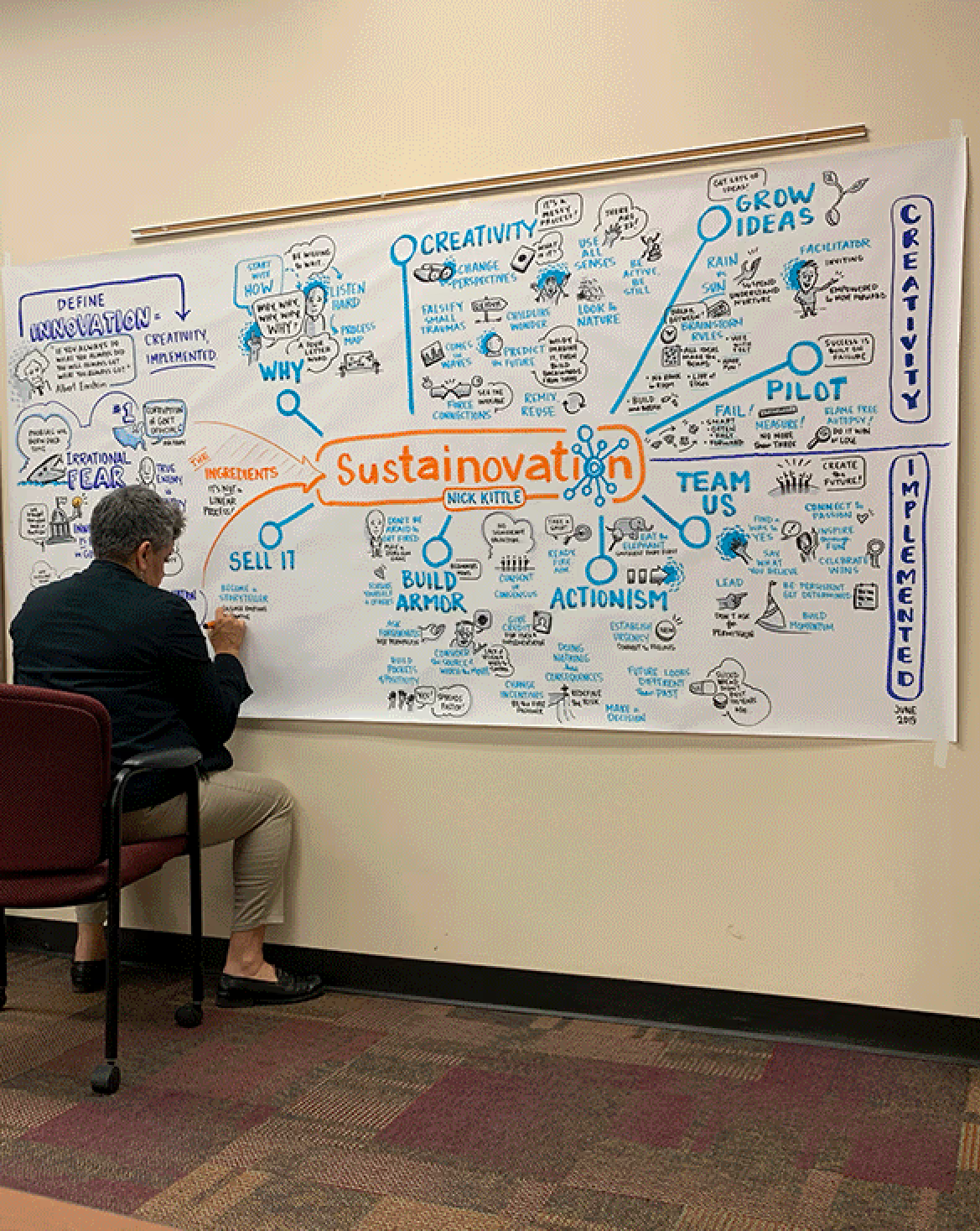
Visual facilitation is the real-time capture of conversations or presentations in meetings, using images and words, and it can be applied whether the meeting involves just a few people or thousands.
Visual facilitators listen for salient points in the group conversation, synthesizing them and translating them into a visual form. This can be done in person or virtually. When working with groups in person, our facilitator uses a massive sheet of paper in front of the room. When meeting virtually, we create digital drawings that can be shared in real time or at key moments of group reflection and discernment.
Here’s what visual facilitation can bring to your meeting:
Raftelis is one of only a handful of companies in the country that have an internal resource for graphic recording and visual facilitation.
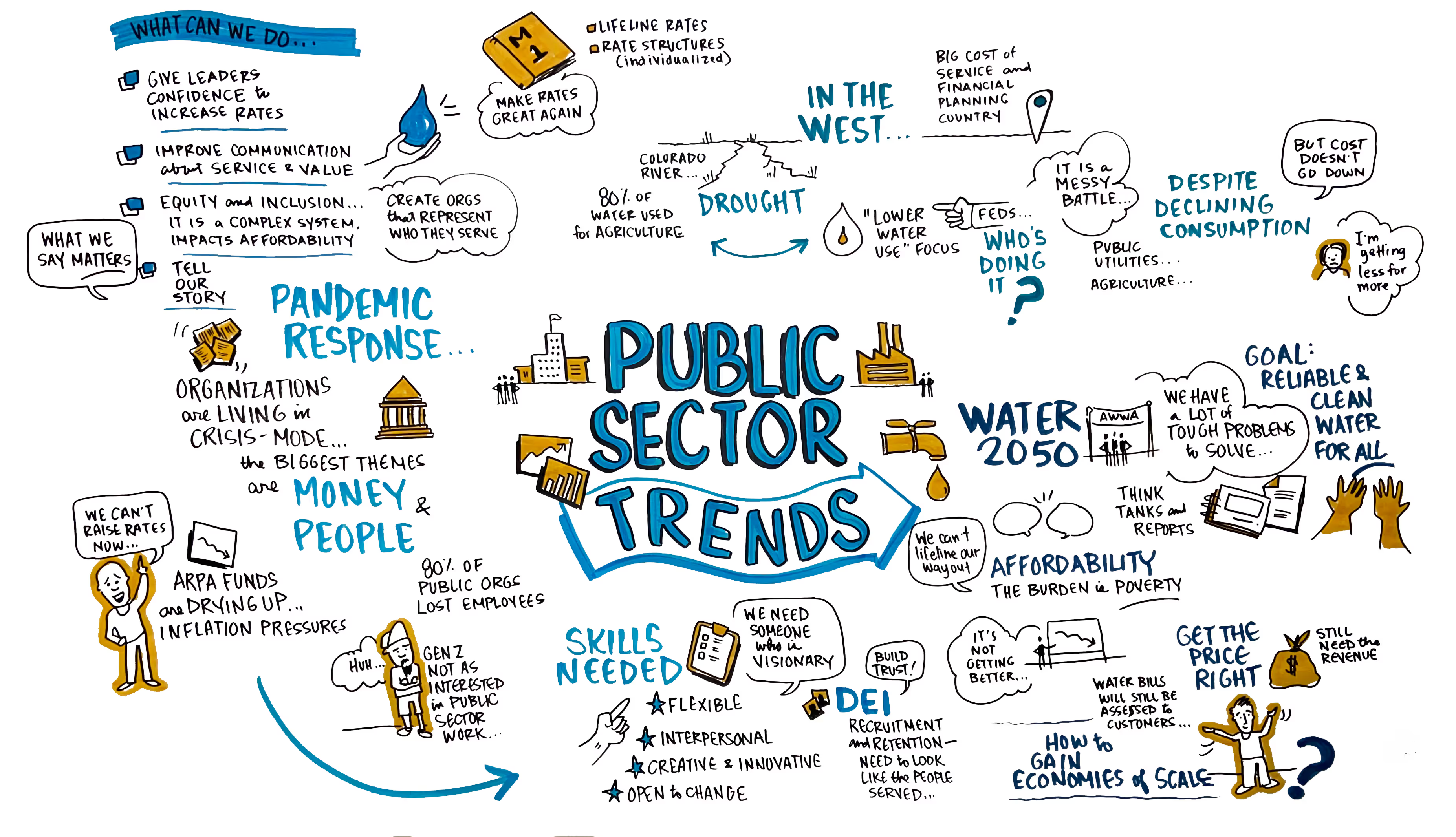
By actively listening for key themes and synthesizing complex dialogue into imagery, we help your group see the "big picture" as it forms, fostering deeper engagement and ensuring that every voice is not just heard, but visibly recognized.
Read
Bio
Strategic communications