
minute read
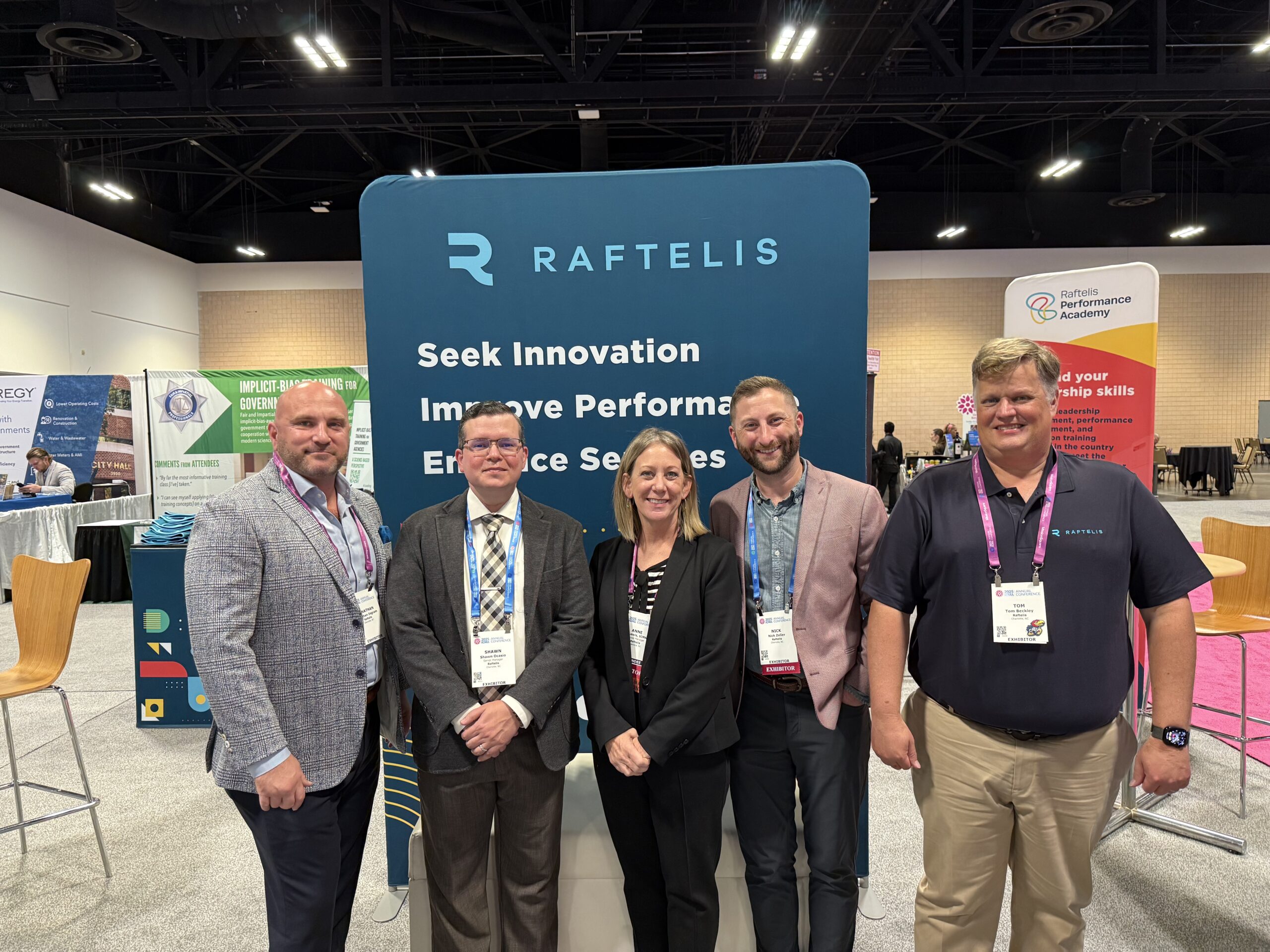



In an era of rapid change and evolving public expectations, local government leaders gathered at the 2025 International City/County Management Association (ICMA) Annual Conference not just to share challenges but to forge solutions. The event provided a clear directive: to build trust and navigate complexity in communities, local governments must innovate their approaches to community engagement, technology, and infrastructure. This recap provides valuable, actionable insights for officials dedicated to cultivating resilient and thriving communities.
Analysis of the conference's most crucial topics reveals a clear path forward for local government leaders. The sessions emphasized moving beyond theory to provide practical advice for today's complex challenges.
With public distrust in government posing a significant challenge, meaningful community engagement can no longer be a checkbox activity. It is essential for local governments to connect with their communities in new ways and on a wider range of topics. Before undertaking any new infrastructure or construction project, it is critical to start with the people most impacted by a potential decision. Leaders should ask: who is likely to be affected by this, and have we asked what they think?
Artificial intelligence is rapidly becoming a major player in local government operations, from enhancing community interaction to informing financial planning. Leveraging this technology while addressing it appropriately are key factors for success in the coming years. Local governments are advised to create and continuously update an AI acceptable use policy for their organization. This policy should ensure that both public-facing and internal processes are considered, promoting ethical and effective implementation.
Across the nation, aging infrastructure presents significant financial and logistical hurdles for local governments. Tackling this issue demands a thoughtful, equity-informed approach. When considering the distribution of capital project funding, it is crucial to ensure that the needs of every neighborhood are considered and approached fairly, promoting sustainable and inclusive growth.
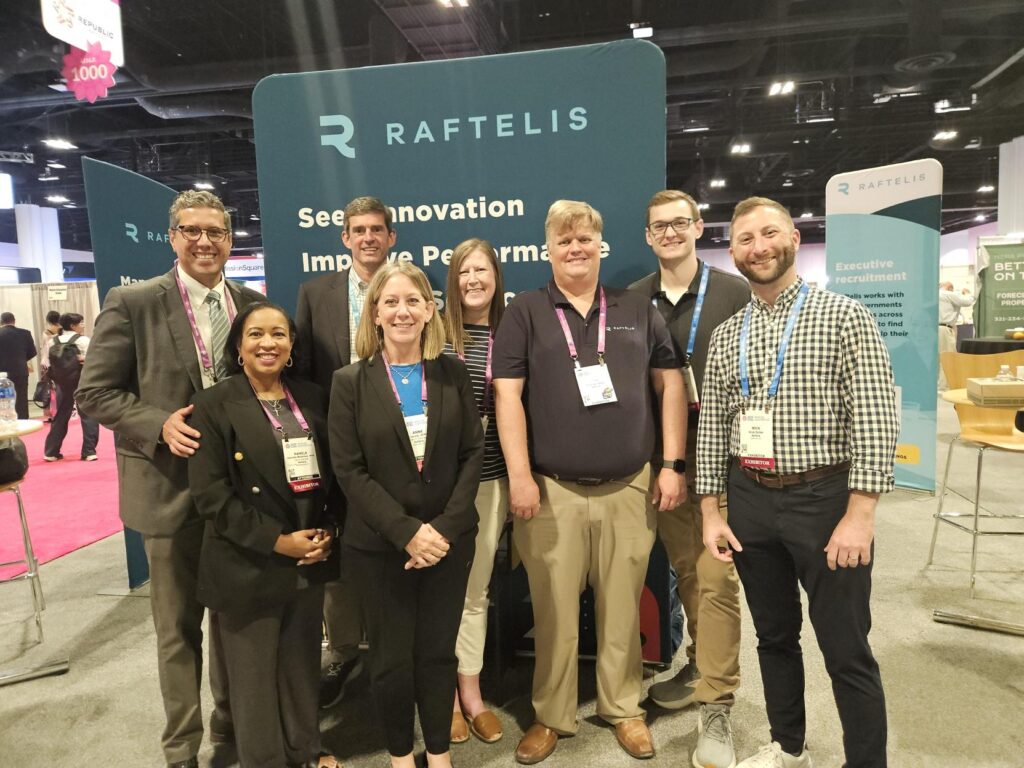
The conference also highlighted detailed strategies and processes to solve common, significant challenges faced by local governments. The focus was on the mechanics of these solutions, providing a "how-to" for municipalities everywhere.
A novel strategy presented was the importance of focusing on creating a shared path forward in a conflict, rather than being "right." The value for local leaders lies in a structured approach to resolution: first, assess the type of conflict and identify the positions and interests of all parties. It's also important to understand your own role in causing or contributing to the conflict. From there, identify key stakeholders, determine if the issue is an isolated incident or part of a larger pattern, and pinpoint the trigger. With this information, you can take steps to mediate the conflict and work toward a mutually agreeable solution.
A key strategy for addressing homelessness is to adopt a unified approach. This begins with identifying priority areas for your city or county and determining who needs to be at the table for a collaborative effort. To build momentum, focus on small victories that are achievable within 90 days. It is also vital to clearly communicate the situation and the steps being taken to residents. Finally, being open to exploring unconventional solutions is crucial for implementing effective and compassionate strategies.
The continued availability of hybrid work environments in the private sector may continue to put pressure on the ability of local governments without a hybrid approach to be competitive in the job market. Organizations should monitor the situation in their regions and consider employee surveys to determine the satisfaction of in-office workers if a hybrid option is not available.
Local government is struggling with misinformation and distrust but also has the best opportunity to combat it. Government leaders across the country came together for an annual summit, not only to share stories of challenge, but also stories of highly successful initiatives that are bringing communities together on issues of financial planning, infrastructure improvement, and innovation. This year’s conference left attendees hopeful and offered solutions-focused strategies to help tackle the real word issues local governments face.
Link copied


.avif)