Creating a strategic plan is a major achievement. You've brought together stakeholders, wrestled with priorities, and set a powerful vision for the future of your local government or utility. That's the blueprint. Now comes the hard part: implementation.
At a glance
Successful strategic plan implementation starts with clear ownership, everyone has their role to play.
A strategy that isn't measured, reported, and funded is a strategy that is destined to fail.
Combining the right people, with a collaborative team structure, and outcome-focused results is how you can build a management system to turn your strategy into action.
We often say that a strategic plan is not a project; it's a management system. Without a clear, ongoing system to manage the plan, even the most brilliant strategies risk becoming nothing more than well-intended paper.
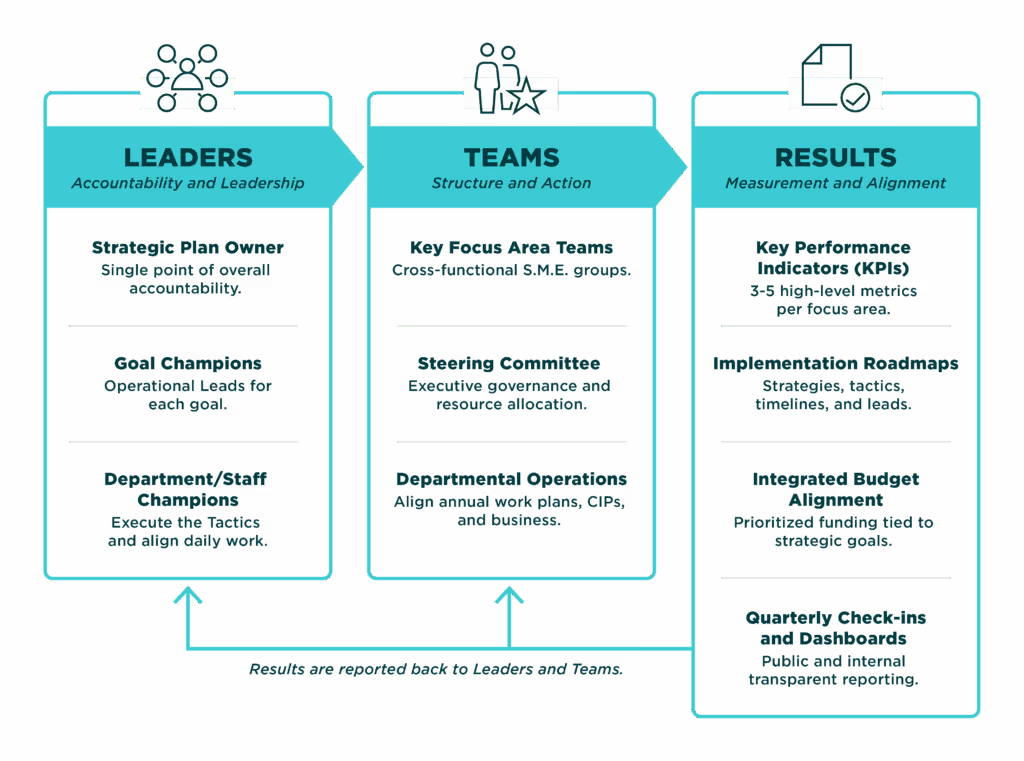
So, how do you make the shift from planning to action? It requires deliberately embedding your strategy into the day-to-day operations of your organization. That structure—what we call the management system—requires three core components to work together seamlessly: the right Leaders, the right Teams, and a focus on measurable Results.
Here is a look at the essential elements your organization needs to build that muscle.
The right leaders: clear accountability, dedicated champions
Successful implementation starts with clear ownership. Everyone in the organization has a role to play, but three roles are essential to drive the process forward:
The strategic plan owner: This is your single point of accountability—often reporting directly to the City Manager, Mayor, or Utility General Manager. They champion the plan across the entire organization, ensuring all goals remain prioritized and aligned with the budget. They coordinate the feedback loop, manage overall progress reporting, and, crucially, possess the dedicated capacity to make the plan their focus, not just a side task.
Goal champions (or key focus area leads): For each primary goal or key focus area in your plan, you need a dedicated champion. These are operational leaders who coordinate the action on the ground. Their role is to run the process for their area—scheduling work sessions, ensuring teams have the necessary resources, and regularly reporting on progress for their part of the larger puzzle. They translate the high-level vision into actionable work.
Department/staff champions: This is where the work gets done. Every department leader and employee must understand how their team’s work contributes to the overall plan. Aligning individual and departmental work plans to the strategic goals—and celebrating those contributions—is how you move from a top-down mandate to an organization-wide effort.
The right teams: structuring for collaboration and action
Strategy execution is inherently cross-functional. The right team structure ensures that expertise and resources are coordinated across traditional departmental silos.
Key focus area teams (goal teams): These are cross-functional teams made up of subject matter experts from various departments. Their primary role is to develop the Implementation Roadmap for their assigned Key Focus Area. They take a high-level goal and break it down into measurable Strategies (projects/programs) and specific Tactics (the "to-do" list of activities). These teams should act as liaisons, ensuring that departmental operations are aligned with the plan.
The Steering Committee (Executive Leadership): Although not directly involved in every daily Tactic, the Steering Committee (typically the Executive Leadership Team) plays a crucial role in governance. They receive regular progress reports, provide high-level problem-solving, and have the authority to reallocate resources or reprioritize when obstacles arise.
Departments aligning operations: The final, vital team is the department itself. Success depends on department heads integrating the plan into their annual work plans, Capital Improvement Programs (CIPs), and day-to-day business. This ensures that the budget and the work are consistently reinforcing the strategic vision.
[[CTA:subscribe]]
Measurable results: a cadence for tracking and alignment
A strategy that isn't measured, reported, and funded is a strategy that is destined to fail. The Results component is about creating a consistent rhythm of accountability and transparent performance tracking.
Consistent cadence for check-ins: Momentum is maintained through a regular check-in schedule, not a single annual review. We recommend a rhythm like this:
Monthly: Key Focus Area Teams meet to review recent activities, identify next steps, and flag potential roadblocks.
Quarterly: Goal Champions present status reports to the Leadership Team and the Governing Body, discussing progress, challenges, and necessary course corrections.
Annually: A comprehensive progress update is developed for internal and external stakeholders, celebrating accomplishments and reporting measurable results.
Key Performance Indicators (KPIs) and Dashboards: KPIs (Key Performance Indicators) measure your progress in a quantifiable way. They are your primary scorecards, showing whether the organization is moving in the right direction. Utilizing visual dashboards to track these metrics ensures transparency and keeps leaders informed in real-time.
Budget and alignment integration: Your budget is the single most powerful tool for communicating your priorities. Budget decisions must intentionally reinforce the strategic plan's Key Focus Areas. This means:
Budget request alignment: Departments must articulate how their budget requests support specific strategic outcomes.
Outcome-focused resource allocation: Funds must be prioritized for investments that drive progress toward the plan’s goals, not just traditional activities.
The core takeaway
Moving your big ideas from paper into the everyday life of your organization is a challenging task that requires clear focus and the right support. When you combine the right Leaders with a collaborative Team structure and anchor it all with transparent, outcome-focused Results, you build the management system that turns a blueprint into community-changing performance.
We’re here to help you not only create the plan, but also roll it out, structure the management system, and put clear processes in place for tracking progress and celebrating your wins.
For more information on how we can help you roll out your strategic plan, contact Jennifer Teal at jteal@raftelis.com.