5
minute read




Many city and county managers have seen it happen: a city council or board of supervisors adopts a visionary strategic plan with great fanfare and a unanimous vote, only to have that plan gather dust as "real life" takes over.
At the CalCities City Managers’ Conference in Napa, we sat down with Keith Metzler (City Manager, Victorville), Michelle Poche Flaherty (Assistant City Manager, Redwood City), and Sean Bigley (Environmental Utilities Director, Roseville) to discuss how to bridge the gap between adoption and execution.
To kick off the session, we asked attendees to identify the biggest barriers they face when trying to turn a plan into action. The responses were raw and consistent. The most frequent "implementation killers" identified by city leaders included:
Recognizing these barriers is the first step toward overcoming them. Here are tips from our panelists on how to move from a static document to a dynamic roadmap:
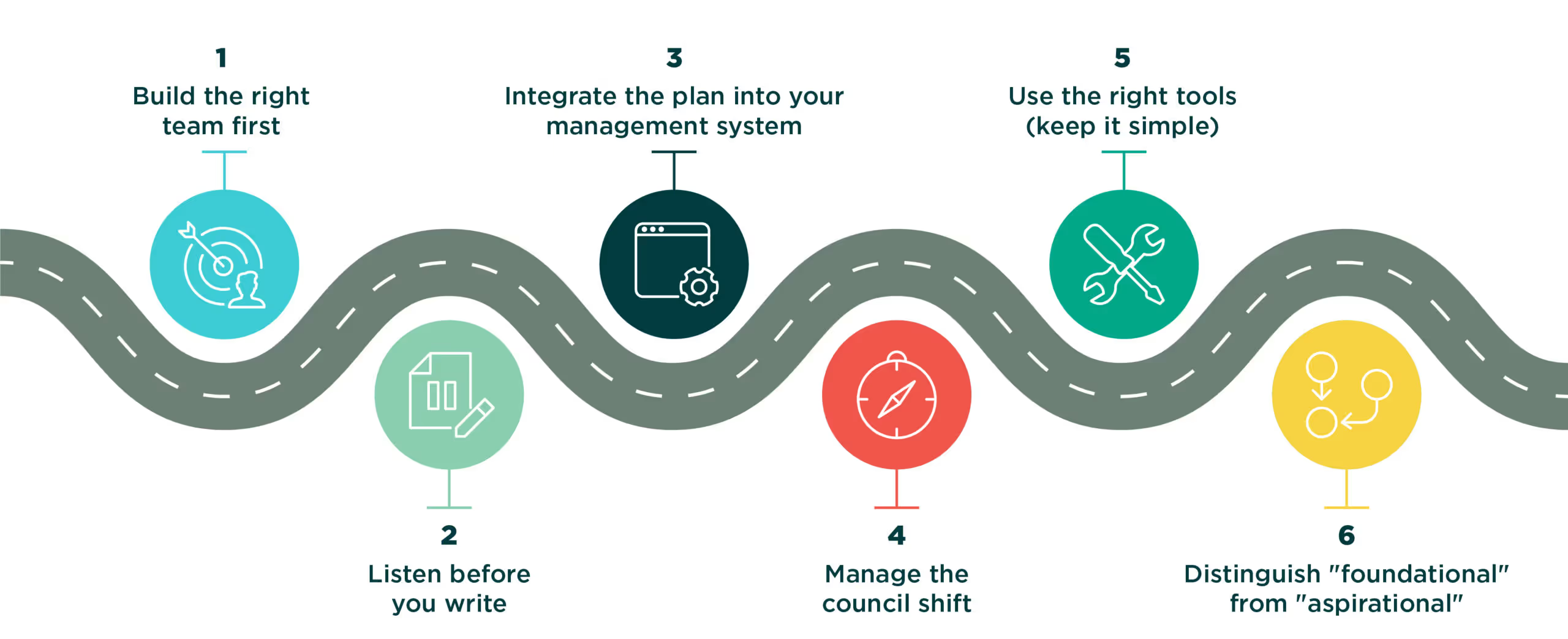
1. Build the right team first
Implementation requires organizational readiness. If your departments are siloed or your leadership team isn't aligned, your odds of successful implementation are diminished. Success requires ownership at the highest level—starting with the city manager and department heads—and ensuring they have the authority to move projects forward.
“Before launching your strategic plan, it's important to have a good team in place to help you successfully execute the plan.” - Keith Metzler
2. Listen before you write
A plan only works if people believe in it. Sean Bigley emphasized the need to invest time in listening to stakeholders, elected officials, and staff. “Doing this will increase ownership, gain a clear and aligned organizational direction, and allow for a more successful implementation.” When staff see their own perspectives reflected in the goals, the plan stops being a "management mandate" and starts being a shared mission.
3. Integrate the plan into your management system
To keep a plan from going stale, it must be woven into the city’s existing "rhythm of business." The panelists suggested several anchors:
4. Manage the council shift
Council turnover, or the tendency for elected leaders to lose focus on long-term goals, was identified as a hurdle akin to the “shiny object.”
5. Use the right tools (keep it simple)
Don't get bogged down in overly complex software. Use tools that drive decisions:
6. Distinguish "foundational" from "aspirational"
Not every goal is a "moonshot." The panelists noted the importance of separating foundational goals (core services that must be maintained) from aspirational strategies (new, high-impact projects). This helps staff prioritize when time and funding get tight.
[[CTA:subscribe]]
If a prior plan failed, start small. Build quick wins to restore staff and council confidence. Focus on alignment, listen to your stakeholders, and—most importantly—ensure your leadership team is ready to own the work.
Implementation isn’t about the document you produce; it’s about the culture of accountability you build around it.
For more information on how to implement your strategic plan, contact Nancy Hetrick at nhetrick@raftelis.com or Catherine Carter at ccarter@raftelis.com.
Link copied